Thinking about converting your loft but not sure which type to go for? You’re not alone. The choice between a velux loft conversion, a dormer, or a mansard is one of the most common dilemmas UK homeowners face when planning a loft project. Each option comes with different costs, different planning requirements, and crucially, very different results in terms of the space you actually get to live in.
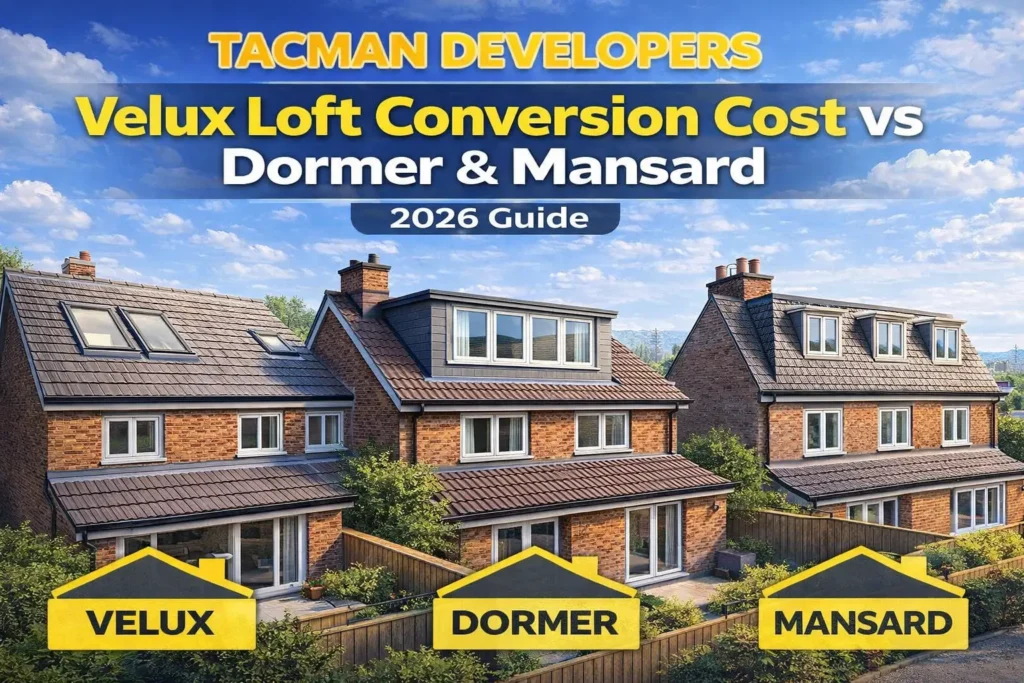
A Velux loft conversion costs £15,000–£35,000 and works within your existing roofline, with no structural changes, no planning permission in most cases, and a fast 4–8 week build. A dormer loft conversion costs roughly £30,000–£60,000 and adds headroom by extending the roof outward. A mansard conversion is the most expensive at £45,000–£75,000+, but creates the most usable space. The right choice depends on your loft’s existing headroom, your budget, and how much space you need.
What Is a Velux Loft Conversion?
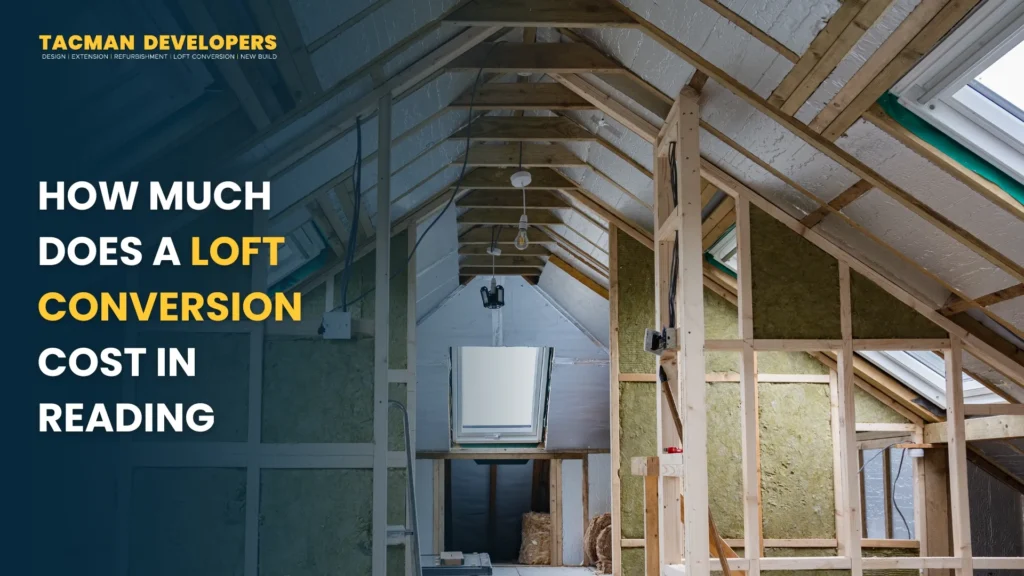
A Velux loft conversion, also known as a rooflight conversion, is the simplest and most affordable type. The existing roof structure is kept entirely intact. Instead of building outwards, skylights (typically Velux-brand roof windows) are installed into the slope of the roof, the floor is reinforced, insulation is fitted, and the space is plastered and finished to create a livable room.
Because the roof shape is not altered, a velux conversion rarely requires planning permission even in London, making it the fastest route to a habitable loft space. The catch? It only works well if your loft already has enough headroom. You’ll need a minimum of 2.2 metres at the highest point for the space to feel usable.
Velux Loft Conversion Cost UK (2026)
A standard Velux loft conversion costs between £15,000 and £35,000 nationally for a small-to-medium loft. Larger spaces with premium finishes or an en-suite bathroom can push costs towards £45,000–£50,000. In London and the South East, expect to pay roughly 25–40% more than these national averages, putting typical London projects in the £25,000–£45,000 range for a mid-size conversion.
What drives that cost? Mainly floor reinforcement, staircase installation, insulation, electrics, and the Velux windows themselves, which range from around £600 for a standard fixed unit to £2,000+ for a large solar-powered opening model.
What Is a Dormer Loft Conversion?
A dormer loft conversion is the most popular type in the UK, and for good reason. It involves building a box-shaped structure that projects vertically out from the existing sloping roof, creating straight walls, a flat ceiling, and significantly more usable headroom across a larger floor area than a Velux conversion can offer.
Dormers are particularly effective on terraced and semi-detached homes, where the rear slope of the roof can be extended outward to create what feels like a full room rather than a cramped attic space. The flat roof dormer is the most common and most cost-effective variant.
Dormer Loft Conversion Cost UK (2026)
The average dormer loft conversion cost in the UK sits between £30,000 and £60,000 in 2026 for a standard rear dormer on a typical terraced or semi-detached property. A small 20m² dormer starts from around £30,000, while a larger 30–40m² conversion with an en-suite bathroom can reach £55,000–£75,000.
In London and the South East, a standard dormer project ranges between £55,000 and £120,000, depending on the size, finish, and the borough’s planning requirements. Most dormer conversions fall under Permitted Development Rights and don’t require a full planning application, though properties in conservation areas, common across parts of London, Bath, and other historic cities, will almost always need consent.
What Is a Mansard Loft Conversion?
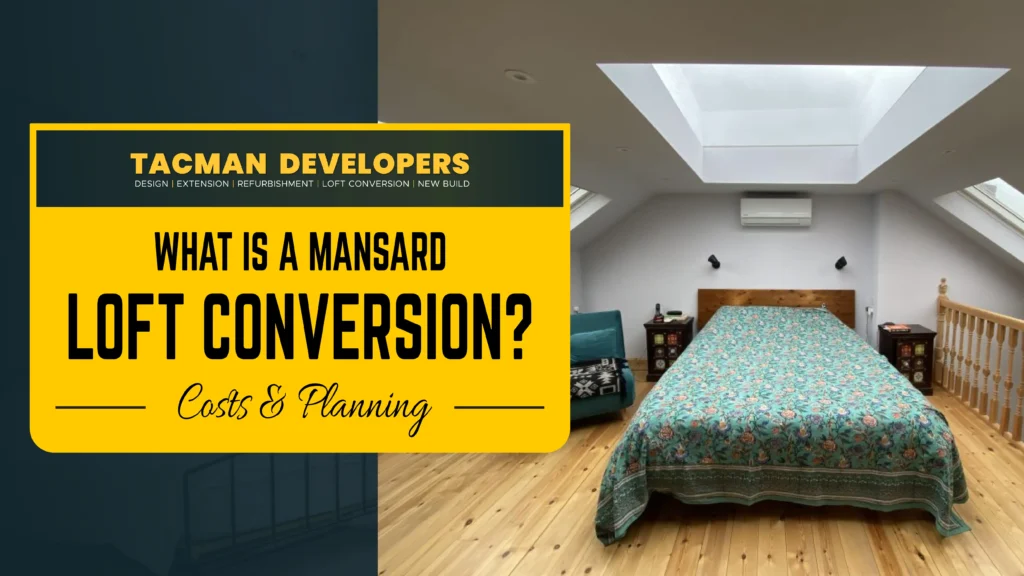
A mansard loft conversion is the most ambitious and most expensive type. It involves fundamentally rebuilding the roof structure: the slope is replaced with a nearly vertical wall (typically at a 72° angle) and a flat or very shallow-pitched roof on top, effectively creating an entirely new storey. The result is the maximum possible floor area and ceiling height, a full room rather than a conversion of leftover attic space.
According to Times, Mansards are common in London, particularly on Victorian terraces and townhouses, where they’re often added to the rear of properties as part of a larger refurbishment. They can also add a terrace or rooftop space, further increasing appeal and value.
Mansard Loft Conversion Cost UK (2026)
The average mansard loft conversion cost UK ranges from £45,000 to £75,000 outside London, with a 30m² conversion typically costing around £55,000 when finished to a good standard. In London, costs rise sharply: a standard dormer in Greater London can reach £55,000–£120,000, while a full mansard conversion can reach £110,000–£160,000+, depending on the design and location.
Planning permission is almost always required for a mansard because it significantly alters the external appearance of the property. Budget for an architect’s fees of £4,000–£8,000, a planning application fee of £258, and potentially a party wall surveyor if the mansard is being built on or near a shared boundary.
Velux vs Dormer vs Mansard: Side-by-Side Comparison
Here’s a quick-reference table comparing all three conversion types across the metrics that matter most to homeowners:
| Velux / Rooflight | Dormer | Mansard | Best For | |
| Avg Cost (UK) | £15k–£35k | £30k–£60k | £45k–£75k | Budget-conscious / space-rich lofts |
| London Cost | £25k–£45k | £55k–£120k | £110k–£160k+ | London premium ≈20–40% |
| Space Created | Low–Medium | Medium–High | Maximum | Mansard for max floor area |
| Planning Permission | Usually not needed | Usually PD rights | Almost always required | Velux = easiest to approve |
| Build Time | 4–8 weeks | 6–12 weeks | 10–16 weeks+ | Velux if quick turnaround needed |
| Value Added | 15–20% | 20–25% | Up to 33% | Mansard for max ROI in London |
Sources: Checkatrade, MyJobQuote, houseUP, GreenMatch (2026). Costs are approximate and exclude VAT unless stated.
What Does the Cost Actually Include?
Not all quotes cover the same scope. Here’s a breakdown of typical cost components across each type, to help you compare quotes on a like-for-like basis:
| Cost Component | Velux | Dormer | Mansard |
| Structural / Groundwork | Low (floor only) | Medium | High |
| Roof Alterations | None | Box dormer added | Roof rebuilt at 72° |
| Scaffolding | £2,000–£3,500 | £2,500–£4,000 | £3,000–£5,000+ |
| Architect + Eng. Fees | £1,500–£3,000 | £2,500–£5,000 | £4,000–£8,000 |
| Planning Fee | Usually none | Usually none | £258 + surveyor |
Note: VAT on loft conversions on existing residential properties is typically zero-rated. Always confirm with your builder whether their quote includes or excludes VAT.
Which Type Is Right for Your Home?
Choose a Velux conversion if: your loft already has good headroom (2.2m+), you’re working to a tight budget, you want the fastest route to a new room, or you live in a conservation area where structural changes would face planning hurdles.
Choose a Dormer if: you need more headroom and usable floor space than a Velux can offer, your property is a terraced or semi-detached house, and you want an excellent balance of cost, space, and practicality. This is the most popular option in the UK for good reason.
Choose a Mansard if: you want to maximise every square foot of space, you’re prepared to go through the planning process, and, particularly if you’re in London, you want the strongest possible return on a long-term property investment. Mansard conversions can add up to 33% more space and command a premium value uplift in high-demand urban areas.
Which Conversion Suits Which Property Type?
Victorian terraced houses: The rear dormer is the classic choice, creating full-height bedrooms on a budget. In London, a mansard is increasingly popular for maximising value in high-price areas.
Semi-detached homes: A rear dormer or, where the roof allows, a hip-to-gable conversion works well. Velux is a strong option if headroom is sufficient.
Detached houses: The most flexibility: a full-width rear dormer, L-shaped dormer, or a mansard are all viable. Velux suits properties where the roof pitch creates generous natural head height.
Bungalows: Loft conversions on bungalows often require a dormer or hip-to-gable to create adequate headroom from scratch, as the roof structure typically sits close to the ceiling below. Costs are generally higher, averaging £62,500–£87,500.
How Much Value Does Each Type Add?
According to industry data, a well-executed loft conversion can add between 15% and 25% to a property’s value, with mansard conversions, which can increase usable space by up to 33%, delivering the strongest uplift in high-demand urban areas. In London, where space is at a premium, a quality loft conversion with an en-suite bedroom has the potential to add £50,000–£100,000 or more to a property’s market value.
For homeowners in Slough, Windsor, and the Thames Valley corridor, the return on investment sits comfortably between these national and London figures: strong enough that a well-specified dormer or velux conversion will typically return more than its cost on resale, particularly when the conversion adds a bedroom with en-suite.
FAQs
Do I need planning permission for a Velux loft conversion?
In most cases, no. Velux conversions fall under Permitted Development Rights and don’t alter the external roofline. However, if your property is in a conservation area, a national park, or is a listed building, you will need to seek planning consent regardless of the type of conversion.
Is a dormer loft conversion worth the extra cost over Velux?
For most homeowners, yes, particularly if your existing loft has limited headroom. A dormer creates a full-height room with a flat ceiling, considerably more usable floor space, and better scope for a bedroom or bathroom. The additional cost per m² of usable space gained is typically lower than a Velux conversion in practice.
How long does a loft conversion take to build?
A Velux conversion typically takes 4–8 weeks from start to finish. A dormer runs 6–12 weeks. A mansard, which involves more structural work and usually requires planning permission before the build can begin, can take 10–16 weeks or more for the construction phase alone.
Can I stay in my home during a loft conversion?
In the vast majority of cases, yes. Loft conversions are designed to be carried out from above and through the roof, with disruption to the living areas below kept to a minimum. The main exception is the ‘breakout’ phase, when the staircase is cut through from the floor below, which typically takes one to two days and will cause temporary disruption.
Ready to Convert Your Loft? Talk to Tacman Developers
Whether you’re drawn to the simplicity of a Velux conversion, the practicality of a rear dormer, or the full-floor ambition of a mansard, Tacman Developers can help you make the right call for your property, your budget, and your plans.
With the combined experience in design and build, serving homeowners across London, Slough, the Thames Valley, and beyond, our in-house architects and construction teams manage every stage: design, planning, structural engineering, Building Regulations, and the full build, all under one roof.