Top 10 Modern Home Design Trends in the UK for 2026
The UK interior design landscape is experiencing a profound transformation as we move through 2026, with homeowners increasingly seeking spaces that blend functionality, sustainability, and personal expression. After years of minimalist aesthetics dominating British homes, the pendulum has swung toward richer, more layered interiors that celebrate individuality and comfort. This digital inspiration, combined with the lasting impact of hybrid working patterns, has created unprecedented demand for homes that are simultaneously beautiful, functional, and deeply personal. Whether you’re renovating a Victorian terrace in London or updating a modern flat in Manchester with professional home design services, understanding these emerging trends will help you create spaces that feel both contemporary and timeless.
Tonal Decorating and Monochromatic Schemes
One of the most significant shifts in UK home design for 2026 is the embrace of tonal decorating, where varying strengths, tints, and temperatures of a single colour create cohesive, sophisticated spaces. This approach represents an evolution from 2025’s celebration of confident colour, moving toward a more refined palette that feels curated without appearing overstylised. The technique works by layering different shades of the same hue throughout a room, creating depth and visual interest while maintaining a sense of calm.
Tonal decorating is particularly effective with neutrals, but forward-thinking designers are applying the principle to bolder colours as well. Sage layered into olive, rust transitioning to peach, or navy flowing into slate creates spaces that feel both dynamic and harmonious. According to House Beautiful UK, this trend creates rooms that feel put together without being over-styled, absorbing the natural untidiness of real life with ease.
Warm White and Yellow-Based Neutrals
The dominance of warm white paint is perhaps the single most defining colour trend for the coming decade in UK homes. Rob Abrahams, co-founder of COAT paint, notes that there’s a clear shift toward yellow-based whites and neutrals that simply feel better in UK homes. These warmer shades, with subtle yellow or brown undertones, help counterbalance the cool natural light characteristic of British weather and create the inviting atmosphere that homeowners instinctively gravitate toward.
Interior designers working on home design services projects across the UK report that clients are specifically requesting these warmer tones after years of living with cool greys and brilliant whites. The shift represents a move toward comfort and wellness in the home, recognising that paint colour fundamentally affects mood and atmosphere. When paired with natural materials and layered textures, warm whites create foundations for interiors that feel both modern and timeless.
The Return of Rich, Dark Wood Finishes
After more than a decade of light Scandi-inspired woods dominating UK interiors, 2026 marks the triumphant return of rich, warm-toned dark wood. Walnut, mahogany, and dark-stained oak are appearing in everything from large furniture pieces to smaller accents like picture frames and lighting fixtures. According to The Living House, dark wood has become increasingly popular throughout 2025 and shows no signs of slowing as a key interior trend for 2026.
Retailers from high-end specialists like Soho Home to accessible chains like Dunelm are offering stunning dark wood pieces across all price points, making this trend achievable regardless of budget. The versatility of dark wood means it works equally well in period properties and contemporary new builds, providing that crucial bridge between traditional craftsmanship and modern aesthetics. In cities like London and Birmingham, where many homes blend original period features with contemporary extensions, dark wood furniture helps create visual cohesion across different architectural styles.
Bold, Saturated Blues Taking Centre Stage
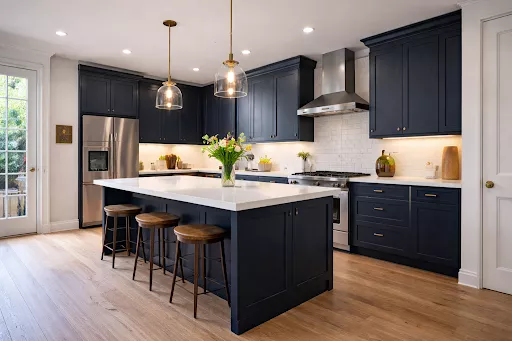
Blue is emerging as the definitive colour of 2026, with paint manufacturers and design houses unanimously championing its depth and versatility. Dulux’s 2026 palette spotlights atmospheric blues, including the vibrant cobalt ‘Free Groove’ and the stormy grey-blue ‘Slow Swing’, according to ABI Interiors. Designers are embracing blue across cabinetry, upholstery, tiles, and full-room paint schemes, using its depth to create spaces that feel sophisticated yet comforting.
The spectrum of blues trending in 2026 ranges from rich navy and petrol to softer teal and slate tones. These aren’t the tentative pastels of years past but saturated, confident hues that make definitive statements. Blue’s psychological associations with calm and stability make it particularly appealing in an era of ongoing uncertainty, while its ability to work in virtually every room type from kitchens to bedrooms ensures its widespread adoption.
Oversized, Sculptural Furniture as Art
Furniture in 2026 is making bold statements, with pieces that blur the line between functional seating and sculptural art. Think plush, generously proportioned armchairs and sofas with architectural edges that command attention as focal points within a room. These statement seats prove that function and visual drama can coexist beautifully, according to Pfeiffer Design.
Beyond sofas, sculptural accent chairs in bold fabrics and unexpected shapes are replacing generic occasional seating. Curved forms, oversized proportions, and striking silhouettes transform these functional pieces into conversation starters. For home design services projects, incorporating one or two statement furniture pieces allows homeowners to refresh their interiors dramatically without undertaking full renovations. The trend works particularly well in open-plan living areas common in London and Manchester apartments, where sculptural furniture helps define different zones within larger spaces.
Antique and Vintage Furniture as Sustainable Luxury
The continued embrace of antique and vintage furniture represents both an aesthetic and ethical choice that’s reshaping UK interiors. Choosing well-crafted older pieces extends their useful life while reducing demand for mass-produced furniture, creating a genuine win for homes and the environment. According to Elite Traveller, antique furniture offers inherently sustainable solutions with solid wood construction, enduring design, and lifespans that already span generations.
The mix of old and new, modern and traditional, creates timeless looks that are completely unique to each homeowner. Louisa Tratalos, founder of Colours of Arley, emphasises that vintage pieces serve as shortcuts to adding individuality and personality. Markets, auction houses, and specialist dealers across the UK report unprecedented demand for quality antique furniture, with pieces from mid-century modern to Victorian receiving equal attention. This trend benefits from the UK’s rich design heritage and the accessibility of antiques through both traditional dealers and online platforms.
Textured, Natural Materials and Woven Finishes
Texture dominates 2026 interiors, with UK homes embracing natural, woven, and organic materials to bring warmth and tactility to living spaces. Acacia, rattan, wicker, and bamboo are being joined by innovative eco-friendly materials like agave fibres, coconut shells, and even coffee grounds. This signals a continued shift toward soft-modern design, where natural textures blur boundaries between indoor comfort and outdoor calm.
This trend aligns with growing consumer awareness of health and wellness in home environments. According to industry reports, clients are increasingly informed about air quality and how different materials and finishes affect it. Natural, breathable materials contribute to healthier indoor environments while creating spaces that feel grounded and connected to nature. For homes in urban centres like Manchester and Birmingham, where access to green space may be limited, incorporating natural textures helps bring elements of the outdoors inside.
Wallpapered Ceilings and the Fifth Wall Concept
One of the bolder trends emerging in 2026 is treating ceilings as the “fifth wall” deserving equal design attention to the other four. According to The Living House, people are becoming bolder with their design choices, and in the case of wallpaper, this means looking up and considering the ceiling. Wallpapered ceilings create dramatic impact while adding perceived height and interest to rooms.
The practical benefits extend beyond aesthetics. In rooms with low ceilings, the right pattern and colour can create the illusion of additional height. In spaces with awkward proportions, ceiling treatments draw the eye upward and create balance. Modern wallpaper technologies mean installation is more accessible than ever, with peel-and-stick options available alongside traditional paste-the-wall varieties. Specialist paint effects like limewash and mineral paints also offer textured ceiling treatments for those preferring more subtle approaches.
Statement Lighting and Mirrors as Focal Points
Lighting and mirrors are shedding their purely functional roles to become central design features in 2026 UK interiors. According to GB News, mirrors are no longer just practical but become art, with oversized or irregularly shaped designs used as focal points that add interest while reflecting light and making smaller rooms feel bigger.
Statement lighting follows the same philosophy. Layered lighting schemes add warmth and dimension, while bold pendants take pride of place above dining tables and in living areas. Designers are mixing metals and styles more freely, combining brass, chrome, and blackened steel in single spaces. Sculptural floor lamps and artistic wall sconces serve dual purposes as both illumination sources and three-dimensional artworks.
The trend toward statement mirrors includes pieces with jagged ceramic frames, twisted metal borders, and even embedded LED lighting that pulses softly. These aren’t refined, symmetrical designs but deliberately irregular pieces that trade classical beauty for personality and impact. For home design services projects, incorporating statement lighting and mirrors offers high impact for relatively modest investment, transforming spaces without structural changes.
Personalised, Curated Collections
Perhaps the most refreshing trend of 2026 is the move toward genuinely personal interiors that reflect real lives rather than picture-perfect show homes. According to Ideal Home, searches for personalised decor soared by 313 per cent, with 2026 set to be defined by a shift to make homes true reflections of individual identity. From custom artwork and bespoke textiles to curated displays of meaningful items, consumers are embracing decor that tells their story.
Grouping meaningful objects together rather than scattering them throughout rooms amplifies their impact and creates intentional vignettes that reward closer inspection. This approach requires confidence and curation but results in homes that genuinely reflect their inhabitants’ interests, experiences, and values. Interior designers note that the most compelling homes in 2026 are those that feel like they’ve evolved over time rather than been purchased completely in a single transaction.
Painted Floors and the Sixth Wall Trend
Farrow & Ball’s colour curator Joa Studholme identifies 2026 as belonging to the “sixth wall”—the floor. According to Ideal Home, painted floors are incredibly cost-effective and totally transformative, whether as statement pieces, dramatic bursts, anchoring details, or simply ways to breathe new life into rooms.
Homeowners can paint floors in single colours ranging from easy neutrals to bolder shades, or opt for patterns including stripes and checkers. This trend offers significant advantages for UK period properties where original floorboards may be damaged or mismatched. Painting unifies disparate elements while adding character and colour without the expense of new flooring.
The painted floor trend also speaks to the growing DIY culture inspired by social media platforms like Pinterest and Instagram. These projects allow homeowners to personalise spaces affordably while developing skills and confidence. Whether choosing classic black and white checkers for hallways or soft sage for bedrooms, painted floors create instant impact. The approach works particularly well in rental properties where permanent alterations aren’t permitted, but painted floors can transform spaces and potentially be restored when moving.
How TacMan Helps Transform UK Homes with Modern Design Trends
At TacMan, we understand that staying current with design trends while creating spaces that feel personally meaningful requires expertise, vision, and practical knowledge. Our team has been at the forefront of the UK interior design evolution, helping homeowners in London, Birmingham, Manchester, and beyond navigate these exciting new directions while ensuring their homes remain functional and liveable.
Our comprehensive home design services begin with understanding your lifestyle, preferences, and how you actually use your spaces. Whether you’re drawn to the warmth of tonal neutrals, the drama of saturated blues, or the sustainability of antique furniture, we help you incorporate trends in ways that genuinely enhance your daily life. We recognize that not every trend suits every home or homeowner, so our approach focuses on thoughtful selection rather than wholesale adoption.
UK Home Design Market Insights and Statistics
The UK interior design market demonstrates robust growth despite economic headwinds, valued at £1.8 billion in 2025 with projected growth to £1.9 billion in 2026, according to IBISWorld. This 5.2 per cent annual growth reflects sustained consumer investment in home improvements despite broader economic uncertainty. The market has shown resilience through multiple challenges, including Brexit adjustments, pandemic disruptions, and cost-of-living pressures.
Comparison Table: Top 5 Modern Home Design Trends UK 2026
| Trend | Key Characteristics | Best Spaces | Budget Impact | Longevity |
| Warm White Neutrals | Yellow-based whites and creamy tones creating inviting atmospheres | Any room, especially those with cool natural light | Low | Very High – timeless foundational choice |
| Saturated Blues | Deep navy, petrol, teal across walls, cabinetry, and upholstery | Kitchens, bedrooms, feature walls | Medium | High – classic colour with enduring appeal |
| Dark Wood Finishes | Rich walnut, mahogany, dark oak in furniture and accents | Dining rooms, studies, living areas | Medium to High | Very High – quality wood endures decades |
| Antique & Vintage Furniture | Well-crafted older pieces as room anchors with provenance | Any room – particularly dining and living areas | Variable – affordable to luxury | Very High – pieces already decades old |
| Natural Textures | Rattan, wicker, bamboo, woven materials throughout interiors | Living areas, bedrooms, conservatories | Medium | High – natural materials age beautifully |
Conclusion
The modern home design trends shaping UK interiors in 2026 reflect a maturation of our collective approach to living spaces. After years oscillating between stark minimalism and maximalist excess, British homeowners are finding balance in interiors that honour craftsmanship, embrace sustainability, and celebrate individual expression. Whether through antique furniture that tells stories, natural materials that improve air quality, or personalised collections that reflect genuine interests, the movement is toward homes that feel lived in and loved rather than showroom perfect. The UK’s rich design heritage and growing awareness of sustainability create the perfect context for this evolution, and TacMan developers help homeowners navigate these trends to create spaces that are both stylish and sustainable.
FAQs
What are the biggest home design trends in the UK for 2026?
The top trends include warm white neutrals, saturated blues, dark wood finishes, tonal decorating, and sculptural furniture as statement pieces. Sustainability through antique furniture and natural materials is also dominating UK interiors this year.
How much does it cost to hire an interior designer in the UK?
UK interior designers typically charge between £50-£200 per hour depending on experience and location, with London-based designers at the higher end. Many also offer fixed-fee packages for complete room designs ranging from £1,000 to £5,000 per room.
Are dark colours suitable for small UK homes and flats?
Yes, dark colours like navy blue and warm browns can actually make small spaces feel more intimate and sophisticated when paired with good lighting. The key is balancing dark tones with warm white accents and mirrors to maintain brightness and depth.
Is sustainable interior design more expensive than traditional design?
While some sustainable options like mineral paints may cost more initially, antique furniture and natural materials often prove more economical long-term due to durability. The second-hand market also offers sustainable choices at every price point from budget to luxury.
How often should I update my home’s interior design?
Most interior designers recommend refreshing key elements every 5-7 years to maintain a current feel, though quality foundational pieces can last decades. Smaller updates like paint, textiles, and accessories can be changed every 2-3 years to keep spaces feeling fresh without major investment.