The best way to increase property value in the UK is through strategic renovations that improve living space, functionality, energy efficiency, and buyer appeal. High-return improvements include loft conversions, house extensions, kitchen upgrades, bathroom renovations, and kerb appeal enhancements. Choosing the right renovation projects can significantly increase resale value while improving everyday living.
For homeowners, investors, and property developers alike, understanding how to increase property value UK renovation projects has never been more important. Rising construction costs, evolving buyer expectations, and increased competition within the housing market mean that every renovation pound should be invested wisely.
Many property owners assume that any renovation automatically adds value. In reality, some improvements generate exceptional returns, while others offer little or no financial benefit. The key is identifying upgrades that buyers actively seek and that improve both functionality and desirability.
Whether you own a family home in London, an investment property in Manchester, or a development project elsewhere in the UK, strategic renovation can transform a property’s market position. By combining smart planning, quality workmanship, and professional design expertise, property owners can achieve substantial value growth while creating more enjoyable living spaces.
This guide explores the most effective renovation strategies for 2026, drawing on industry best practices and market trends to help you maximise your property’s potential.
Why Renovation Remains One of the Best Ways to Increase Property Value
Renovation increases property value by improving functionality, appearance, energy efficiency, and usable space. Buyers are willing to pay more for homes that require less work and offer modern features.
Property value is influenced by several factors, including location, market demand, condition, and functionality. While location cannot be changed, the condition and usability of a property can be significantly improved through renovation.
In today’s competitive housing market, buyers increasingly prioritise homes that are ready to move into. Modern kitchens, energy-efficient features, spacious layouts, and attractive outdoor spaces all contribute to stronger buyer demand. This is why renovation remains one of the most reliable ways to increase value.
According to the official UK housing guidance available through the UK Government’s home improvement resources, energy performance and property conditions continue to play an important role in housing market attractiveness. Well-planned improvements not only increase resale value but can also reduce maintenance costs and improve energy efficiency.
For homeowners considering larger projects, professional property design and planning services can help identify opportunities that deliver the strongest return on investment while aligning with local planning and building regulations.
Which Home Improvements Add the Most Value to a UK Property?
The highest-value improvements typically include loft conversions, house extensions, kitchen renovations, bathroom upgrades, and energy-efficiency improvements.
Not all renovations generate the same return. Some improvements fundamentally change how a property functions and are therefore more attractive to buyers.
Property Value Increase Comparison Table
| Renovation Type | Typical Value Increase |
| Loft Conversion | 10–20% |
| Rear Extension | 10–15% |
| Double-Storey Extension | 15–25% |
| Kitchen Renovation | 5–15% |
| Bathroom Upgrade | 3–10% |
| Kerb Appeal Improvements | 2–10% |
| Energy Efficiency Upgrades | 3–14% |
The actual increase depends on location, property type, quality of workmanship, and local market demand.
A useful starting point for homeowners is understanding exactly what adds value to a house, as different improvements produce different results depending on the property’s existing condition and target buyer demographic.
Loft Conversion ROI: How Much Value Does It Add in 2026?
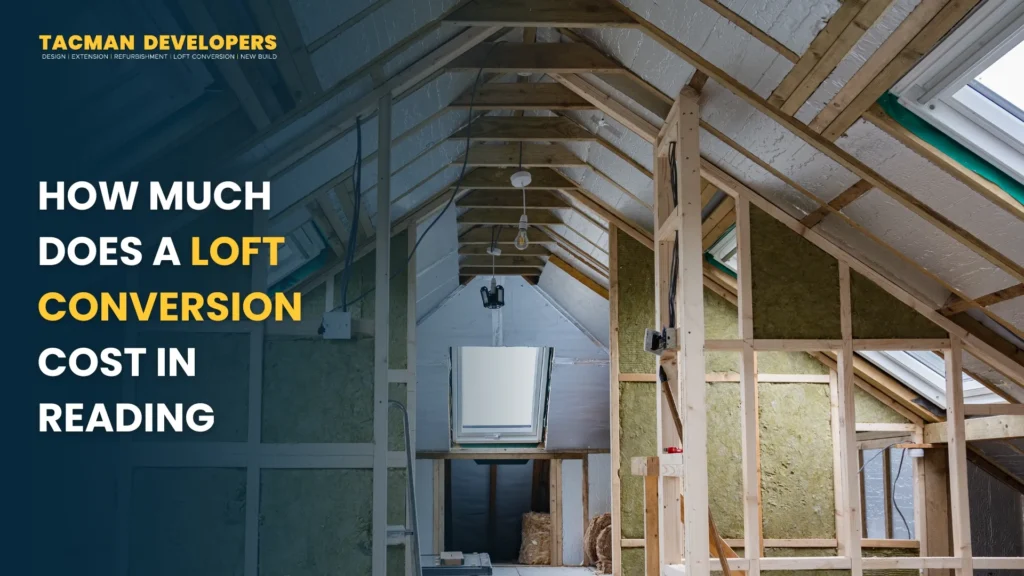
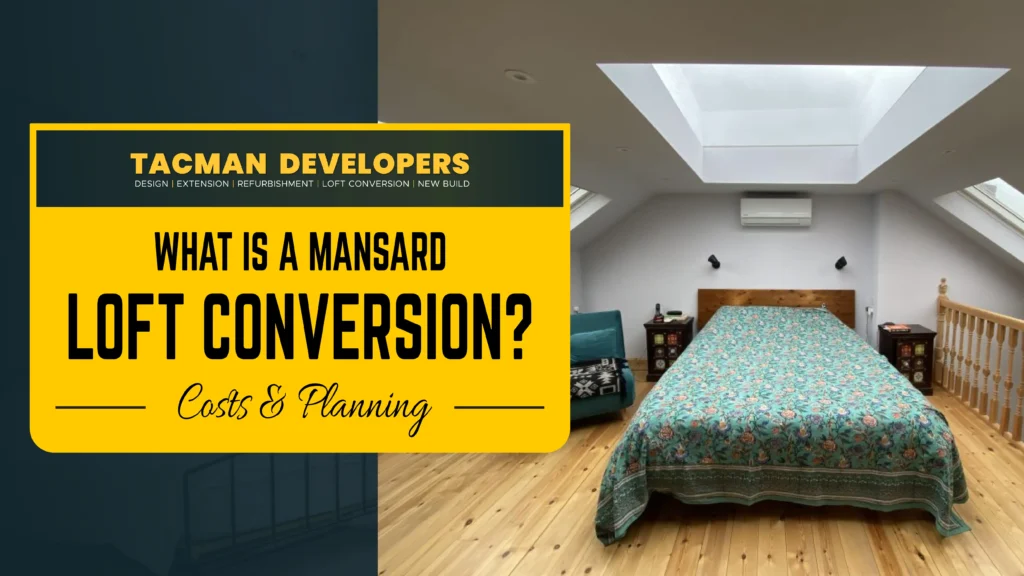
A professionally executed loft conversion can add between 10% and 20% to a property’s value while creating highly desirable additional living space.
Loft conversions continue to be one of the strongest-performing renovation projects in the UK. Unlike many cosmetic upgrades, a loft conversion creates genuinely usable square footage, which directly impacts market value.
For growing families, a loft conversion can provide an additional bedroom, home office, guest suite, or recreational area. In urban locations where expanding outward is difficult, converting existing roof space offers an efficient way to increase living accommodation.
Buyers increasingly value flexible spaces that support hybrid working and changing lifestyle requirements. A loft conversion addresses these needs while making efficient use of underutilised areas within the home.
The strongest-performing loft conversion projects typically include:
- Additional bedrooms with en-suite bathrooms
- Home office conversions
- Master suite extensions
- Multi-functional family rooms
- Luxury guest accommodation
When considering major structural improvements, many homeowners combine loft projects with broader renovation strategies to maximise value growth and improve overall property functionality.
House Extension Value Increase Rear, Side, and Double-Storey Compared
Double-storey extensions generally produce the highest value increase, while rear and side extensions remain excellent options for improving functionality and resale appeal.
House extensions remain among the most effective renovation investments because they directly increase usable floor space.
Extension ROI Comparison
| Extension Type | Typical ROI Potential |
| Rear Extension | High |
| Side Return Extension | Medium to High |
| Wraparound Extension | High |
| Double-Storey Extension | Very High |
Rear extensions remain especially popular because they create larger kitchens, dining spaces, and open-plan living areas. Buyers consistently place a premium on spacious, family-friendly layouts.
Double-storey extensions provide even greater value potential because they add both ground-floor and first-floor accommodation. This can dramatically transform the property’s functionality while significantly increasing market value.
Many homeowners planning large-scale improvements begin with professional home extension services to determine which configuration offers the best return based on their property’s layout and location.
Kitchen Renovation and Its Impact on Property Value
Kitchen renovations remain one of the most influential improvements for buyers and can significantly enhance marketability and value.
The kitchen has become the focal point of modern living. Buyers often make emotional decisions based on kitchen design, layout, and functionality.
A successful kitchen renovation focuses on:
- Improved layout
- Modern cabinetry
- Quality worktops
- Efficient storage
- Energy-efficient appliances
- Better lighting
- Open-plan integration
Interestingly, homeowners do not always need luxury finishes to increase value. Practicality, durability, and visual appeal often matter more than premium brands.
A thoughtfully designed kitchen renovation creates a strong first impression while supporting everyday family life, making it one of the safest renovation investments available.
Bathroom Renovation ROI — Standard vs En-Suite vs Wet Room
Bathroom upgrades typically generate moderate to strong returns, with en-suite additions often delivering the highest value increase.
Modern buyers expect clean, functional, and well-designed bathrooms. Older bathrooms can make an entire property feel dated, even if other areas have been renovated.
Bathroom Upgrade Comparison
| Upgrade Type | Value Impact |
| Standard Bathroom Refresh | Moderate |
| New Family Bathroom | High |
| En-Suite Addition | Very High |
| Wet Room Installation | High |
Adding an en-suite is particularly valuable in family homes because it improves convenience and appeals to a wider range of buyers.
Properties that lack sufficient bathroom facilities often benefit significantly from strategic bathroom upgrades as part of a wider refurbishment programme.
Kerb Appeal Improvements — What a £5,000–£15,000 Budget Can Achieve
Kerb appeal improvements create stronger first impressions and can increase both buyer interest and final sale prices.
Many homeowners focus exclusively on interiors while neglecting external presentation. However, buyers form opinions within seconds of arriving at a property.
A modest investment can dramatically improve appearance through:
- New front doors
- Landscaping improvements
- Driveway upgrades
- Exterior painting
- Improved lighting
- New fencing
- Garden redesign
These enhancements help properties stand out in online listings and physical viewings alike.
Improvements That DON’T Add Value — What to Avoid
Over-personalised renovations, excessive luxury upgrades, and niche features often fail to deliver strong returns.
Common mistakes include:
- Overly customised interiors
- Expensive luxury features for mid-market homes
- Removing bedrooms unnecessarily
- Converting garages in areas where parking is essential
- Highly specialised rooms with limited buyer appeal
Successful renovation focuses on broad market appeal rather than personal preferences alone.
How to Prioritise Renovation for Maximum Property Value Uplift
Prioritise projects that improve space, functionality, energy efficiency, and buyer appeal before cosmetic upgrades.
A practical renovation hierarchy looks like this:
- Structural repairs
- Energy-efficiency improvements
- Additional living space
- Kitchen upgrades
- Bathroom improvements
- Kerb appeal enhancements
- Cosmetic finishing touches
For major development projects, professional design consultation can help identify the most profitable renovation sequence while avoiding unnecessary expenditure.
Conclusion
Understanding how to increase property value through UK renovation projects is about making strategic decisions rather than simply spending money. The most successful renovations improve functionality, create additional space, enhance buyer appeal, and support long-term property performance.
Projects such as loft conversions, house extensions, kitchen upgrades, bathroom improvements, and curb appeal enhancements consistently deliver strong returns because they address what buyers genuinely want. Equally important is avoiding renovations that add cost without increasing desirability.
Whether you’re a homeowner planning future growth, an investor maximising returns, or a developer seeking profitable opportunities, a carefully planned renovation strategy can significantly increase both property value and market appeal.
Working with experienced specialists such as Tacman Developers ensures that every stage—from design and planning through to construction and completion—is approached with value creation, compliance, and long-term performance in mind.
Contact Tacman Developers
If you’re ready to unlock your property’s full potential, speak with the team at Tacman Developers for expert guidance on extensions, refurbishments, new builds, and property design solutions tailored to your goals.
FAQs
What renovation adds the most value to a UK house?
Loft conversions and double-storey extensions typically provide the highest value increases because they create additional living space.
Is renovating better than moving?
In many cases, yes. Renovation allows homeowners to improve functionality without the significant costs associated with moving.
Do kitchen renovations increase house value?
Yes. Modern kitchens remain one of the most attractive features for prospective buyers.
How much value can a loft conversion add?
A quality loft conversion can add approximately 10–20% to property value depending on location and specification.
Are extensions worth the investment?
Well-designed extensions frequently provide strong returns while improving everyday usability.
What renovations should I avoid?
Avoid over-personalised improvements and features that appeal only to a limited buyer audience.