Buying a fixer-upper in the UK can be highly profitable if purchased below market value and renovated strategically. However, it carries risks such as unexpected renovation costs, structural issues, and planning delays. Success depends on budgeting, location, and professional execution.
Buying a property that needs renovation has become one of the most talked-about strategies in the UK property market. Whether you’re a first-time buyer trying to enter an expensive market or an investor looking for profit opportunities, the idea of buying a fixer-upper UK property is extremely appealing.
At first glance, it seems simple: buy a cheap property, renovate it, and increase its value. But in reality, the process is far more complex. Hidden structural problems, rising material costs, and regulatory requirements can quickly turn a promising investment into a financial burden.
That’s why understanding the full picture before you buy is essential. In this expert guide, we’ll break down everything you need to know, from renovation costs and risks to investment strategies and value-boosting improvements, so you can decide whether a fixer upper is truly right for you.
What Is a Fixer Upper Property in the UK?
A fixer upper is a property that requires significant repair or renovation work before it is habitable or reaches full market value.
A fixer-upper in the UK typically refers to a home that has been neglected, outdated, or structurally damaged. These properties are often sold below market value, making them attractive to buyers willing to invest time and money in renovations.
They may include anything from cosmetic updates like painting and flooring to major structural work such as rewiring, plumbing replacement, roofing repairs, or full extensions. Many older homes in the UK fall into this category, especially Victorian and Edwardian properties.
Buyers are drawn to these homes because they offer the potential to create value through renovation, turning an undervalued property into a modern, high-value asset.
Financing a Fixer Upper in the UK
Buying a fixer upper in the UK often requires a different financial approach compared to standard property purchases. Many lenders classify these homes as “non-standard properties,” meaning traditional mortgages may not always apply.
In most cases, buyers use specialist renovation mortgages or staged release finance products. These allow funds to be released in phases as renovation milestones are completed.
This is especially important in high-cost markets like London, where upfront capital alone may not cover both purchase and renovation.
Common financing options include:
- Standard residential mortgage (light renovation only)
- Renovation mortgage (funds released in stages)
- Bridging loan (short-term property purchase finance)
- Buy-to-let refurbishment mortgage (investor-focused)
According to the UK Finance, specialist lending products for renovation properties have grown due to rising demand in the UK housing upgrade market.
Why Fixer Uppers Are Popular in the UK Property Market
Fixer uppers are popular due to lower purchase prices, high renovation value potential, and strong demand for customised homes.
The UK property market, especially in cities like London, is highly competitive. Many buyers simply cannot afford to move into ready homes in desirable areas. This is where fixer uppers become an attractive alternative.
Instead of paying premium prices for finished properties, buyers purchase homes at a discount and invest in improvements. This allows them to gain equity through renovation rather than paying it up front.
Another key reason is customisation. Buyers can design homes according to their personal taste instead of compromising on existing layouts. This is particularly appealing for families and professionals who want long term living solutions.
From an investment perspective, property investment renovation UK strategies have become increasingly popular, with investors targeting undervalued homes to flip or rent for higher returns.
Is Buying a Fixer Upper in the UK Worth It?
Yes, it can be worth it if you buy at the right price, control renovation costs, and improve the property strategically.
The real value of a fixer upper lies in the difference between purchase price and final market value after renovation. If managed correctly, this gap can create significant profit or equity growth.
However, the risks are equally important. Many buyers underestimate renovation costs or fail to account for hidden structural issues. This is why planning and professional guidance are essential before committing.
Working with experts in property refurbishment and renovation planning can help ensure your investment is properly assessed before purchase.
Cost to Renovate a Fixer Upper in the UK
Renovation costs typically range from £50,000 to £150,000+, depending on property size, condition, and level of work required.
Renovation costs vary widely in the UK depending on the condition of the property and the level of transformation required. A light cosmetic renovation may be relatively affordable, but full structural upgrades can become expensive quickly.
Renovation Cost Breakdown
| Type of Renovation | Cost Range | Description |
| Light Renovation | £20k–£40k | Painting, flooring, décor |
| Medium Renovation | £40k–£80k | Kitchen, bathroom upgrades |
| Full Renovation | £80k–£150k+ | Structural + full rebuild |
The cost to renovate fixer upper UK properties is often underestimated by first time buyers. Older homes in particular may require rewiring, damp proofing, or roofing work before any cosmetic upgrades can begin.
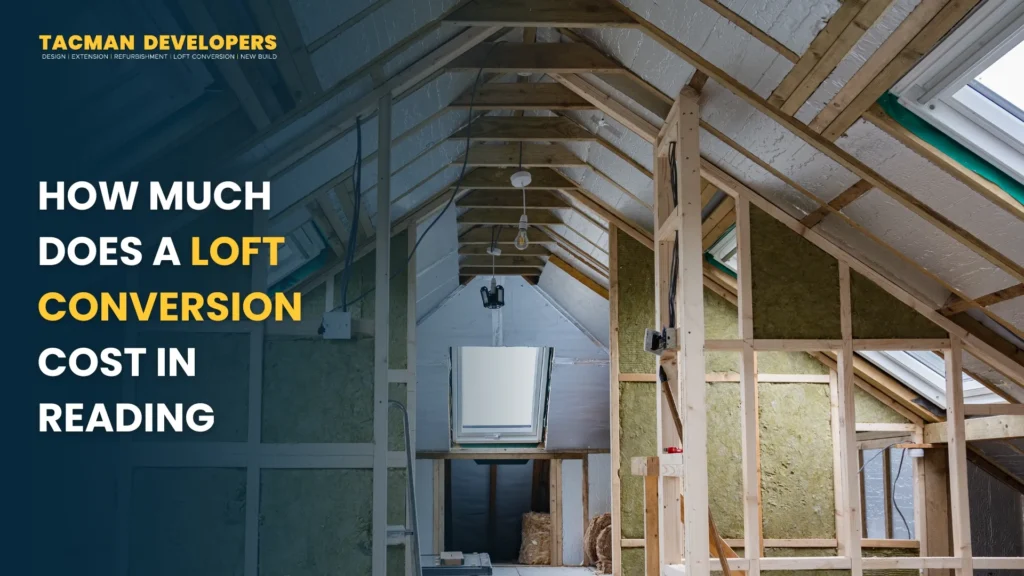
Adding value-enhancing upgrades like a kitchen extension project or loft conversion can significantly improve resale value but also increase total investment cost.
Hidden Costs Most Buyers Ignore
One of the biggest reasons fixer upper projects exceed budget is not construction itself, but hidden and indirect costs that buyers fail to anticipate.
Even experienced investors often underestimate these expenses, especially in older UK housing stock.
Common hidden costs include:
- Planning permission and building control fees
- Structural engineer reports
- Asbestos surveys (common in pre 2000 homes)
- Temporary accommodation during renovation
- Utility upgrades (gas, water, electrics)
- VAT on certain renovation services
Common Renovation Work in Fixer Uppers
Typical renovation work includes structural repairs, plumbing, electrical rewiring, insulation upgrades, and interior redesign.
Most fixer upper projects involve a combination of essential repairs and modern upgrades. Older properties in the UK often require compliance upgrades to meet current safety and energy standards.
Common Renovation Tasks:
- Electrical rewiring
- Plumbing replacement
- Roof repairs
- Damp treatment
- Structural wall changes
- Insulation upgrades
- Kitchen and bathroom redesign
Each of these tasks contributes to transforming an outdated property into a modern, liveable home.
Risks of Buying a Fixer-Upper
The main risks include hidden structural issues, budget overruns, planning delays, and unexpected compliance requirements.
While fixer uppers can offer strong returns, they also come with significant risks. One of the most common issues is discovering hidden damage after purchase. This can include foundation issues, outdated wiring, or asbestos.
Budget overruns are another major concern. Many buyers start with a fixed budget but end up spending significantly more due to unforeseen repairs.
Proper planning and expert consultation through design and planning services can help minimise these risks.
Fixer Upper vs Ready to Move Property
Fixer uppers are cheaper but require renovation investment, while ready homes are more expensive but require no additional work.
Comparison Table
| Factor | Fixer Upper | Ready Property |
| Purchase Price | Low | High |
| Renovation Cost | High | Low |
| Risk Level | High | Low |
| Customisation | Full control | Limited |
| ROI Potential | High | Moderate |
Fixer uppers are ideal for investors and experienced buyers, while ready properties suit those seeking convenience and low risk.
How to Add Value to a Fixer Upper
Value can be increased through extensions, loft conversions, kitchen upgrades, open plan layouts, and energy efficiency improvements.
Adding value is the core strategy behind buying a fixer upper. The most effective improvements are those that increase usable space and modern appeal.
High Value Improvements:
- Kitchen extensions
- Loft conversions
- Open plan redesign
- Bathroom upgrades
- Energy efficient insulation
- Modern heating systems
Homes with added space and modern design consistently achieve higher resale values in the UK market.
According to the UK Government Property Guidance, renovation projects must comply with building regulations to ensure safety, energy efficiency, and long-term structural integrity. Non-compliance can reduce property value and create legal complications during resale.
Best ROI Renovation Strategy in the UK Property Market
Not all renovations generate equal returns. In the UK property market, certain improvements consistently deliver higher ROI than others.
ROI Comparison Table:
| Upgrade Type | ROI Impact | Demand Level |
| Kitchen Extension | Very High | Very High |
| Loft Conversion | Very High | High |
| Open plan redesign | High | Very High |
| Bathroom upgrade | Medium | High |
| Cosmetic updates | Low | Medium |
Who Should Buy a Fixer Upper?
Fixer uppers are best suited for investors, developers, experienced homeowners, and buyers with renovation budgets.
These properties are not ideal for everyone. They require time, patience, and financial flexibility. However, they can be extremely rewarding for those who understand the process.
Ideal Buyers:
- Property investors
- Developers
- First-time buyers with renovation support
- Families seeking custom homes
- Long-term homeowners
How Tacman Developers Can Help
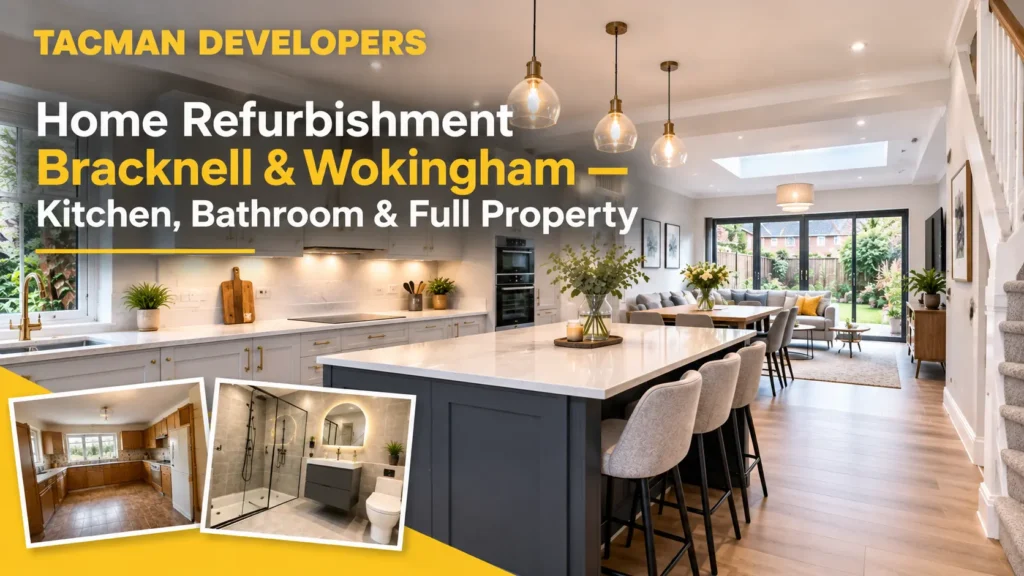
Tacman Developers provides full design, renovation, extension, and structural services to transform fixer upper properties into high-value homes.
Fixer upper projects require careful planning, technical expertise, and execution. Tacman Developers offers end-to-end support, ensuring your investment is maximised at every stage.
Whether you are planning a full property refurbishment, a modern kitchen extension, or a loft conversion, their team ensures compliance, quality, and long-term value creation.
Legal & Compliance Checklist for UK Renovation Properties
Before starting any renovation project, UK law requires compliance with building and safety regulations.
Key compliance areas include:
- Building regulations approval
- Structural safety compliance
- Electrical certification
- Fire safety regulations
- Energy efficiency standards
Failure to comply can result in legal enforcement, fines, or difficulties selling the property later.
Conclusion
Buying a fixer upper in the UK can be one of the most powerful property strategies when done correctly. It allows buyers to enter the market at a lower cost, create significant value through renovation, and design a home tailored to their needs.
However, success depends on careful planning, realistic budgeting, and professional execution. Without these, costs can escalate quickly and reduce overall returns.
For buyers who are well prepared or supported by experienced professionals, fixer uppers can deliver outstanding results, both financially and personally.
Thinking about buying a fixer upper in the UK? Turn opportunity into profit with expert support from Tacman Developers. From property assessment and design to full renovation and extension work, we help you transform undervalued homes into high value assets, safely, efficiently, and professionally.
Start your renovation journey today and unlock your property’s true potential.
FAQs
Is buying a fixer-upper a good investment in the UK?
Yes, if purchased below market value and renovated strategically, it can deliver strong capital gains. However, poor planning or hidden costs can reduce profitability significantly.
What is the biggest risk when buying a fixer upper?
The biggest risk is underestimating renovation costs and discovering structural issues after purchase. This can quickly turn a profitable project into a financial burden.
How much profit can you make from a fixer upper?
Profits can range from 10% to 40% depending on location, renovation quality, and market conditions. London and high demand areas often deliver the highest returns.
Do I need professional help for renovations?
Yes, especially for structural changes, extensions, or compliance work. Professional guidance ensures safety, quality, and regulatory approval.
Can beginners buy fixer uppers in the UK?
Yes, but it is strongly recommended to work with experts or experienced contractors. This helps avoid costly mistakes and delays.
Is it better to buy a fixer upper or a new home?
Fixer uppers offer higher ROI potential but come with higher risk. New homes offer convenience but usually cost more upfront.