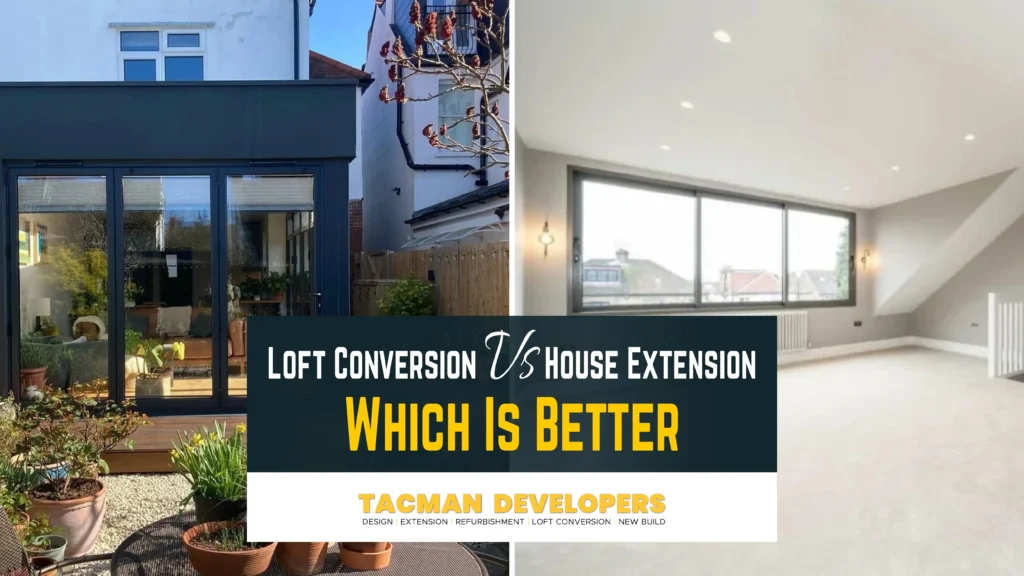
A loft conversion is usually better for homeowners who want to maximise unused roof space without sacrificing their garden, while a house extension is ideal for creating larger ground-floor living areas. The best choice depends on your property layout, budget, planning restrictions, and long-term goals.
When UK homeowners start running out of space, two options usually rise to the top: a loft conversion or a house extension. Both can dramatically improve the functionality, comfort, and value of a property, but deciding which one is right for your home is not always straightforward.
For some families, converting the loft is the smartest way to add an extra bedroom or office without reducing outdoor space. For others, extending the property creates the open-plan kitchen or living area they’ve always wanted. The challenge is understanding which solution offers the best return on investment, practical benefits, and long-term value for your specific property.
This guide will compare Loft Conversion vs House Extension UK in detail, covering costs, planning permission, timelines, property value, lifestyle impact, and suitability for different property types. Whether you’re a homeowner, investor, builder, or property professional, this article will help you make a more informed decision.
If you’re considering either option, working with experienced professionals like Tacman Developers can help ensure your project is planned and executed correctly from the beginning.
What Is a Loft Conversion?
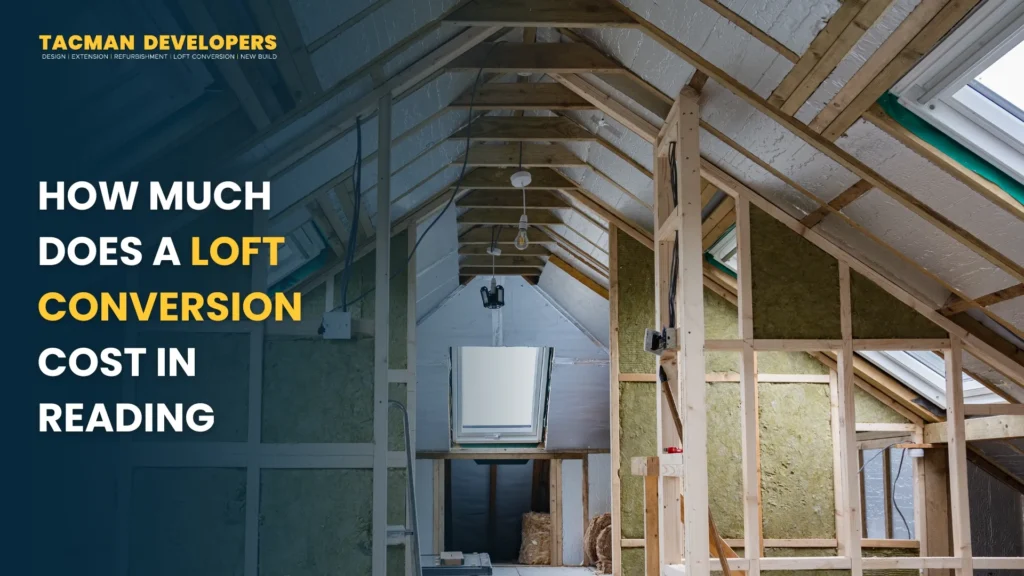
A loft conversion transforms unused attic space into a functional room such as a bedroom, office, or living area without extending the property footprint.
A loft conversion involves converting the empty roof space of a property into a usable room. In the UK, loft conversions are one of the most popular home improvement projects because they maximise existing space while avoiding major structural expansion into the garden.
Loft conversions are especially popular in densely populated areas like London, where outdoor space is limited and moving to a larger property can be extremely expensive. Instead of extending outward, homeowners build upward.
Many UK homeowners use loft conversions for:
- Additional bedrooms
- Home offices
- Guest rooms
- Playrooms
- En-suite master suites
There are several different loft conversion styles available depending on the property structure. Homeowners exploring the different types of loft conversions should understand that options like dormer, mansard, and hip-to-gable conversions each offer different benefits.
What Is a House Extension?
A house extension increases the size of your property by building outward, usually creating additional kitchen, dining, or living space.
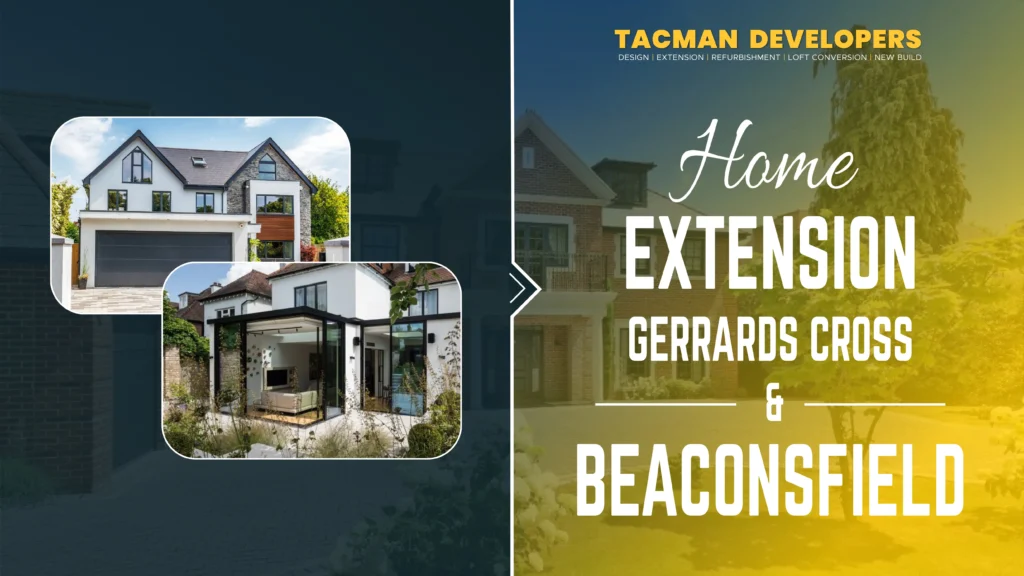
A house extension expands the footprint of your property by adding new ground-floor or multi-storey space. Extensions are commonly used to create larger kitchens, dining areas, living rooms, or even entirely new sections of the home.
Unlike loft conversions, extensions physically enlarge the building externally. This makes them ideal for homeowners who want to improve communal living spaces rather than simply adding bedrooms upstairs.
Common extension types include:
| Extension Type | Purpose | Best For |
| Rear Extension | Extra kitchen/living space | Terraced & semi-detached homes |
| Side Return | Widen narrow layouts | Victorian properties |
| Wraparound | Maximum open-plan space | Larger redesigns |
| Double-Storey | Large-scale expansion | Growing families |
For homeowners interested in modern layouts, exploring professional house extension services can help create more practical and valuable living spaces.
Loft Conversion vs House Extension UK: Key Differences
Loft conversions use existing roof space, while house extensions create entirely new external space. Loft conversions are often cheaper and faster, while extensions offer greater flexibility for living areas.
Understanding the differences between these two options is essential before investing thousands of pounds into a project.
Loft Conversion vs House Extension Comparison Table
| Feature | Loft Conversion | House Extension |
| Uses Existing Space | Yes | No |
| Requires Garden Space | No | Usually Yes |
| Typical Use | Bedrooms/office | Kitchen/living areas |
| Cost | Lower | Higher |
| Build Time | Faster | Longer |
| Planning Permission | Often not required | More likely required |
| Property Disruption | Moderate | High |
| Value Increase | High | Very High |
| Structural Complexity | Moderate | High |
A loft conversion is generally less invasive because it works within the existing structure of the home. Extensions, on the other hand, often require excavation, foundations, and more complex construction.
Which Option Adds More Property Value?
Both options can significantly increase property value, but the best return depends on your property type, location, and buyer demand.
One of the biggest reasons homeowners invest in either project is property value. In many parts of the UK, adding usable square footage can dramatically increase resale potential.
According to UK property experts, loft conversions can add up to 20% in value, especially when creating an additional bedroom with an en-suite bathroom. Homeowners can explore this further in this detailed guide about how much value a loft conversion adds in the UK.
Extensions also provide excellent returns, particularly when they create open-plan kitchens or family spaces. In modern UK property markets, buyers place huge value on spacious communal living areas.
Generally:
- Loft conversions perform best in urban areas
- Extensions perform best for family-oriented homes
- Open-plan kitchen extensions are highly desirable
- Additional bedrooms increase investment appeal
Which Is More Cost-Effective?
Loft conversions are usually more cost-effective because they use existing structure, while extensions require additional foundations and external construction.
Budget is often the deciding factor for many homeowners.
Average UK Cost Comparison
| Project Type | Estimated UK Cost |
| Basic Loft Conversion | £25,000–£40,000 |
| Dormer Loft Conversion | £40,000–£60,000 |
| Basic House Extension | £35,000–£60,000 |
| High-End Extension | £70,000+ |
Extensions generally cost more because they involve:
- Groundwork
- Foundations
- Roofing
- Drainage
- Structural expansion
Homeowners researching budgets should read this guide on how much a house extension costs per m2 in the UK to understand pricing factors in more detail.
Which Project Takes Longer?
House extensions typically take longer than loft conversions due to structural groundwork and larger construction scope.
Timeframes vary depending on complexity, weather, approvals, and contractor availability.
Typical Timelines
| Project | Average Duration |
| Loft Conversion | 6–10 weeks |
| Rear Extension | 10–16 weeks |
| Large Extension | 4–6 months |
Loft conversions are generally quicker because much of the existing structure is already in place. Extensions often involve deeper structural work and greater disruption.
For a more detailed breakdown, homeowners can review this guide on how long a house extension takes to build in the UK.
Planning Permission and Building Regulations
Loft conversions often fall under permitted development, while extensions are more likely to require planning permission.
One major advantage of loft conversions is that many projects can be completed under permitted development rights. This simplifies the approval process significantly.
Extensions, especially larger rear or side extensions, are more likely to require formal planning permission.
However, both projects still require compliance with UK building regulations covering:
- Structural safety
- Fire safety
- Insulation
- Ventilation
- Staircase requirements
For official guidance, homeowners can consult the Planning Portal UK and UK Government Building Regulations resources.
Best Option for Different Homeowners
The best option depends on your goals, property type, family needs, and available space.
Loft Conversions Are Better For:
- Adding bedrooms
- Creating home offices
- Urban properties
- Preserving garden space
- Faster projects
Extensions Are Better For:
- Open-plan living
- Larger kitchens
- Family communal areas
- Ground-floor accessibility
- Luxury layouts
Families wanting modern open-plan kitchens may benefit from exploring these kitchen extension ideas for UK homes.
Common Mistakes Homeowners Make
The biggest mistakes include poor planning, underestimating costs, and choosing the wrong project for the property.
Many homeowners rush into projects based purely on inspiration photos without considering structural suitability or long-term practicality.
Common mistakes include:
- Ignoring planning restrictions
- Choosing cheap contractors
- Poor budget management
- Overbuilding beyond neighbourhood value
- Not considering resale demand
Working with experienced professionals helps avoid these costly issues.
Loft Conversion vs Extension for Investors
Investors often prefer loft conversions for rental yield, while extensions are stronger for premium resale value.
Property investors usually focus on maximising ROI.
Loft conversions are ideal for:
- Adding rentable bedrooms
- HMOs
- Student accommodation
- Fast value growth
Extensions work better for:
- Luxury resale properties
- Family home upgrades
- High-end developments
The right strategy depends on local market demand and property type.
How Tacman Developers Can Help
Tacman Developers provides expert loft conversion and extension services tailored to UK homes and regulations.
Choosing between a loft conversion and extension requires careful planning, technical expertise, and understanding of UK property trends. Tacman Developers supports homeowners through every stage of the process, from design and approvals to construction and finishing.
Whether you want to transform unused roof space with a professional loft conversion service or create a stunning open-plan extension, working with experienced specialists helps ensure your investment delivers long-term value.
Conclusion
Choosing between a Loft Conversion vs House Extension UK project ultimately depends on your property, lifestyle, budget, and long-term goals. Loft conversions are often faster, more affordable, and ideal for adding bedrooms or office space without sacrificing outdoor areas. Extensions, meanwhile, provide unmatched flexibility for creating larger communal living spaces and modern open-plan layouts.
Both options can significantly improve your quality of life and increase property value when planned and executed correctly. The key is choosing the solution that aligns best with how you want to live and how your property can realistically be transformed.
With expert support from Tacman Developers, homeowners can confidently navigate planning, design, construction, and compliance to achieve the best possible outcome.
Thinking about expanding your home but unsure which option is right for you? Tacman Developers can help you compare loft conversions and extensions, plan your project professionally, and create a space that adds real value to your property.
Speak with experienced UK extension and loft conversion specialists today.
FAQs
Is a loft conversion cheaper than an extension?
Yes, loft conversions are usually cheaper because they use existing roof space rather than building outward.
Which adds more value in the UK?
Both add value, but extensions often create more premium family living spaces.
Do loft conversions need planning permission?
Many do not, as they fall under permitted development rights.
Which option causes less disruption?
Loft conversions usually cause less disruption compared to large house extensions.
Is a loft conversion faster to complete?
Yes, most loft conversions are completed faster than extensions.
Can I combine both projects?
Yes, many homeowners combine loft conversions with extensions for maximum space and value.