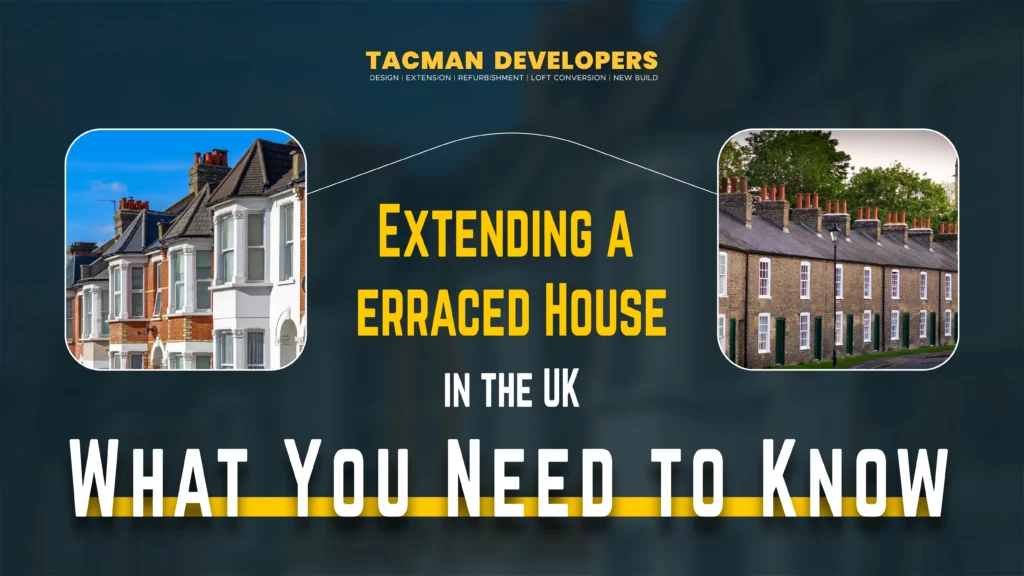
Terraced house extension ideas include rear extensions, side return extensions, wraparound layouts, and loft conversions. These options help maximise space in narrow properties, improve natural light, and increase property value while complying with UK planning and building regulations.
Terraced houses are a defining feature of the UK property landscape, particularly in cities like London, where space is at a premium. While these homes offer charm and character, they often come with limitations, narrow layouts, limited natural light, and restricted floor space. This is why many homeowners, investors, and even businesses are actively exploring terraced house extension ideas to unlock their property’s full potential.
Extending a terraced house is not just about adding space, it’s about transforming how the property functions. Whether you want a larger kitchen, an open-plan living area, a home office, or additional bedrooms, the right extension can dramatically improve both lifestyle and property value.
However, terraced house extensions come with unique challenges. Shared walls, limited access, planning restrictions, and structural considerations all play a role. In this comprehensive guide, we’ll walk you through everything you need to know—from design ideas and extension types to costs, regulations, and expert strategies—so you can plan your project with confidence.
Understanding Terraced House Constraints in the UK
Terraced houses in the UK come with a very specific set of structural and spatial limitations that directly affect how extensions can be designed. Unlike detached homes, terraced properties share side walls with neighbouring houses, which means any construction work must carefully consider structural stability, sound insulation, and legal boundaries.
One of the biggest constraints is the narrow footprint. Many Victorian and Edwardian terraces, especially in London and other urban areas, have limited side access and small rear gardens. This makes planning extensions more complex because every square metre must be used efficiently. In addition, properties located in conservation areas may face stricter rules regarding external appearance and materials.
Homeowners must also consider party wall implications under the Party Wall Act. Any structural work affecting shared walls requires formal agreements with neighbours, which can impact timelines and planning.
Why Extend a Terraced House in the UK?
Extending a terraced house increases living space, improves layout, enhances natural light, and significantly boosts property value without the need to move.
Terraced houses are often located in highly desirable areas, especially in London and other major UK cities. Moving to a larger property in the same location can be extremely expensive, which makes extending a more practical and cost-effective solution.
By extending your home, you can tailor the space to your needs—whether that’s creating an open-plan kitchen, adding extra bedrooms, or improving functionality for a growing family or business use. Extensions also allow you to modernise older properties, making them more energy-efficient and better suited to contemporary living.
From an investment perspective, extending a terraced house is one of the most effective ways to increase its market value. According to guidance from the Planning Portal UK, well-designed extensions can significantly improve both usability and resale potential.
If you’re considering a project, exploring professional home extension services can help ensure your plans are executed efficiently and in line with UK regulations.
Types of Terraced House Extensions
The most common options include rear extensions, side return extensions, wraparound extensions, and loft conversions, each suited to different property layouts.
Choosing the right type of extension is crucial when working with terraced properties, as space is often limited and layout constraints must be carefully managed.
Comparison of Extension Types
| Extension Type | Best For | Key Advantage | Typical Use |
| Rear Extension | Adding depth | Opens into garden | Kitchen / Living |
| Side Return | Narrow spaces | Utilises unused alley | Kitchen expansion |
| Wraparound | Maximum space | Combines rear + side | Open-plan living |
| Loft Conversion | Vertical expansion | Adds new floor | Bedrooms / Office |
Rear Extensions
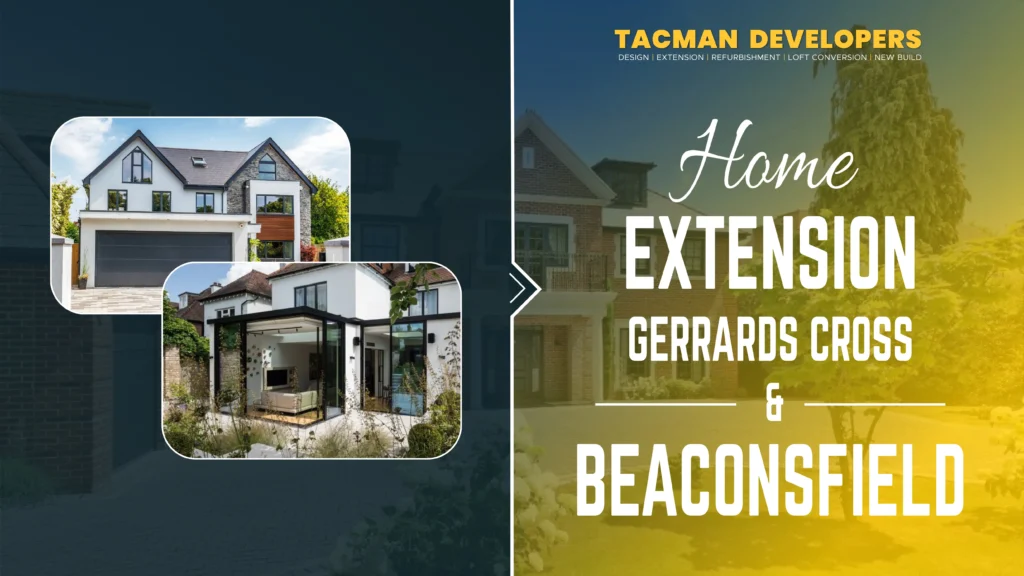
Rear extensions are one of the most popular choices for terraced homes. They extend into the garden, creating additional space for kitchens, dining areas, or living rooms. This type of extension is particularly effective when combined with large glass doors that bring in natural light.
Side Return Extensions
Side return extensions make use of the narrow strip of land along the side of a property. These are especially common in Victorian and Edwardian terraces in London. Although the space may seem small, it can significantly improve layout and usability.
For more inspiration on layouts, you can explore this detailed guide on kitchen extension ideas for UK homes, which shows how side returns can transform kitchens.
Wraparound Extensions
Wraparound extensions combine rear and side return designs, creating a large L-shaped space. This option offers maximum flexibility and is ideal for open-plan living.
Loft Conversions
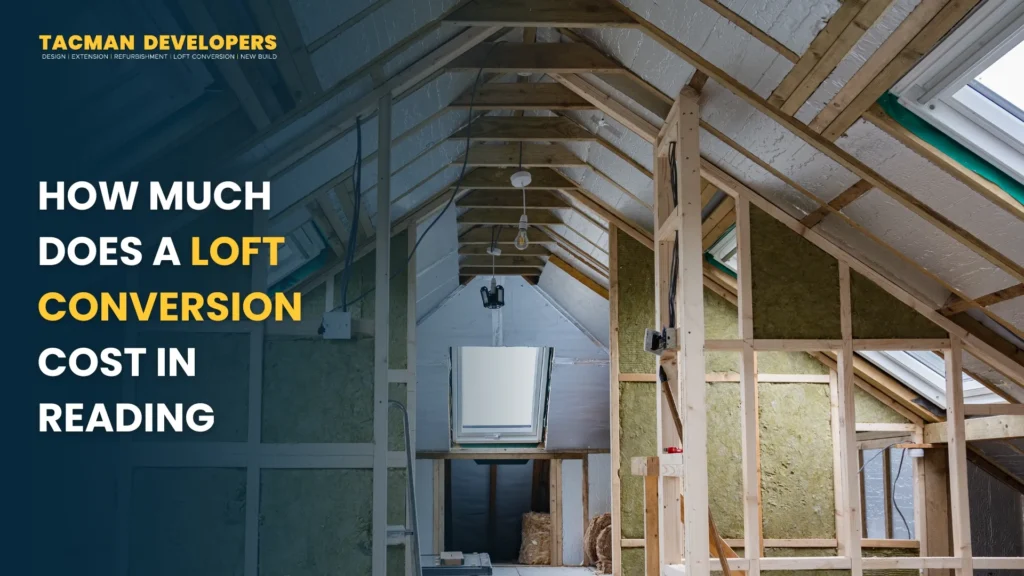
When ground space is limited, going upwards is often the best solution. A loft conversion project can add valuable living space without affecting your garden.
Do You Need Planning Permission for Terraced House Extensions?
Planning permission for terraced house extensions in the UK depends on the size, design, and location of the property. In many cases, smaller rear extensions may fall under permitted development rights, meaning formal planning approval is not required. However, this is not guaranteed, especially in densely built urban areas.
Terraced houses in London or conservation zones often face stricter planning controls. Even if your project qualifies under permitted development, you may still need a Lawful Development Certificate to confirm legality. This is particularly important if you plan to sell the property in the future, as buyers and solicitors will request proof of compliance.
Regardless of planning permission, all extensions must comply with UK Building Regulations. These ensure the structure is safe, energy-efficient, and built to legal standards
Best Terraced House Extension Ideas
Top ideas include open-plan layouts, glass extensions, kitchen-diners, home offices, and multi-functional spaces.
Designing a terraced house extension requires creativity and strategic planning. The best ideas focus on maximising space while maintaining a sense of openness.
Open-Plan Living Spaces
Open-plan layouts are one of the most effective ways to transform a terraced house. By removing internal walls and extending the rear, you can create a spacious and connected environment that feels much larger than the original layout.
Glass Extensions
Glass extensions are a modern solution that enhances natural light and creates a striking visual effect. These are particularly effective in narrow properties where light is limited.
Kitchen-Diner Extensions
Extending the kitchen into a larger dining area is one of the most popular upgrades. This not only improves functionality but also creates a social hub within the home.
Home Office Spaces
With remote working becoming more common, many homeowners are incorporating dedicated office spaces into their extensions. This is especially valuable for professionals and small businesses.
Modern Architectural Trends in UK House Extensions
In 2026, terraced house extensions in the UK are heavily influenced by minimalist architecture and open-plan living trends. One of the most popular styles is the glass box extension, which uses large glazing panels to maximise natural light and create a seamless indoor-outdoor connection.
Another growing trend is the use of steel-framed structures, which allow for wider openings and more flexible layouts. These designs are especially useful in terraced houses where structural walls limit traditional expansion methods.
Sustainability is also playing a major role. Homeowners are increasingly opting for eco-friendly materials, improved insulation systems, and energy-efficient glazing. Smart home integration is another key trend, allowing lighting, heating, and security systems to be controlled digitally.
Design Considerations for Terraced House Extensions
Key considerations include layout optimisation, natural light, structural integrity, insulation, and compliance with UK regulations.
Designing an extension for a terraced house requires careful planning due to space constraints and shared walls. One of the most important factors is layout efficiency. Every square metre must be used effectively to ensure the space is both functional and comfortable.
Natural light is another critical element. Features such as skylights, glass doors, and open-plan layouts can dramatically improve brightness and create a more inviting atmosphere.
Structural considerations are also important, particularly when dealing with shared walls (party walls). Homeowners must comply with the Party Wall Act, which regulates work affecting neighbouring properties.
For professional design support, working with experts in architectural design services ensures your extension is both practical and visually appealing.
Planning Permission & Building Regulations
Many terraced house extensions fall under permitted development, but building regulations approval is always required.
Understanding planning rules is essential when extending a terraced house. Some projects may fall under permitted development rights, meaning formal planning permission is not required. However, this depends on factors such as size, location, and property type.
Regardless of planning permission, all extensions must comply with building regulations. These rules ensure that the structure is safe, energy-efficient, and built to modern standards. Homeowners can refer to the UK Government Building Regulations for official guidance.
Costs of Extending a Terraced House
Costs typically range from £30,000 to £100,000+, depending on size, complexity, and location.
Cost Breakdown
| Project Type | Estimated Cost |
| Small Extension | £30,000 – £50,000 |
| Mid-Range | £50,000 – £80,000 |
| Large / Wraparound | £80,000 – £100,000+ |
Costs can vary significantly, particularly in London. For a more detailed breakdown, you can read this guide on house extension costs per m² in the UK.
Common Mistakes to Avoid
Avoid poor planning, ignoring regulations, underestimating costs, and hiring inexperienced contractors.
Many homeowners rush into extensions without fully understanding the process. This often leads to delays, budget overruns, and design issues.
Key Mistakes
- Starting without proper approvals
- Ignoring building regulations
- Choosing impractical layouts
- Hiring unqualified builders
Avoiding these mistakes can save time, money, and stress.
Refurbishment vs Extension: What’s Better?
Refurbishment improves existing space, while extensions add new space—often both are combined for best results.
In some cases, extending may not be the only solution. Refurbishing your existing space can also improve functionality and aesthetics. Many homeowners choose to combine both approaches for maximum impact.
For example, extending the rear while upgrading interiors can create a completely transformed living environment. You can explore professional property refurbishment services to enhance both new and existing spaces.
How Terraced House Extensions Add Value
Extensions can increase property value by up to 20%, especially in high-demand areas like London.
A well-designed extension can significantly boost property value. Buyers are often willing to pay more for homes with modern layouts, larger kitchens, and additional living space.
Step-by-Step Process of Extending a Terraced House in the UK
Extending a terraced house follows a structured process that ensures compliance, safety, and efficiency. It typically begins with an initial consultation where homeowners define their goals, budget, and design expectations.
Once feasibility is confirmed, architectural drawings are prepared. These drawings are essential for both planning permission and building regulations approval. After submission, the project moves into the approval phase, where local authorities review compliance.
If approved, construction begins under strict supervision. Regular inspections are carried out to ensure the work meets safety and structural standards. Once completed, a final inspection is conducted, and a completion certificate is issued.
How Tacman Developers Can Help
Tacman Developers provides end-to-end services, including design, planning, and construction for terraced house extensions.
Extending a terraced house requires expertise, especially when dealing with structural constraints and regulations. Tacman Developers offers a complete solution, ensuring your project is delivered to the highest standards.
Conclusion
Extending a terraced house in the UK is one of the most effective ways to unlock hidden space, improve functionality, and significantly increase property value without the cost and disruption of moving. However, success depends on careful planning, regulatory compliance, and the right design approach.
From understanding structural constraints to navigating planning permission and managing costs, every stage of the process plays a critical role in the final outcome. Modern design trends such as glass extensions, open-plan layouts, and sustainable materials are transforming how terraced homes are used in 2026, making them more functional and visually appealing than ever before.
For homeowners, investors, and professionals alike, working with experienced specialists ensures the process is smooth, compliant, and cost-effective. With expert support from Tacman Developers, your vision can be transformed into a high-value, future-proof living space designed to meet modern UK standards.
Start your journey today with professional house extension solutions and turn your terraced home into a modern, spacious, and high-performing property.
FAQs
What is the best extension for a terraced house?
Rear and side return extensions are the most effective for maximising space and improving layout.
Do I need planning permission?
Some projects fall under permitted development, but building regulations approval is always required.
How long does an extension take?
Most projects take between 10 and 20 weeks, depending on complexity.
Can I extend a terraced house upwards?
Yes, loft conversions are a popular option for adding extra space.
Is extending cheaper than moving?
In many cases, yes—especially in high-value areas like London.