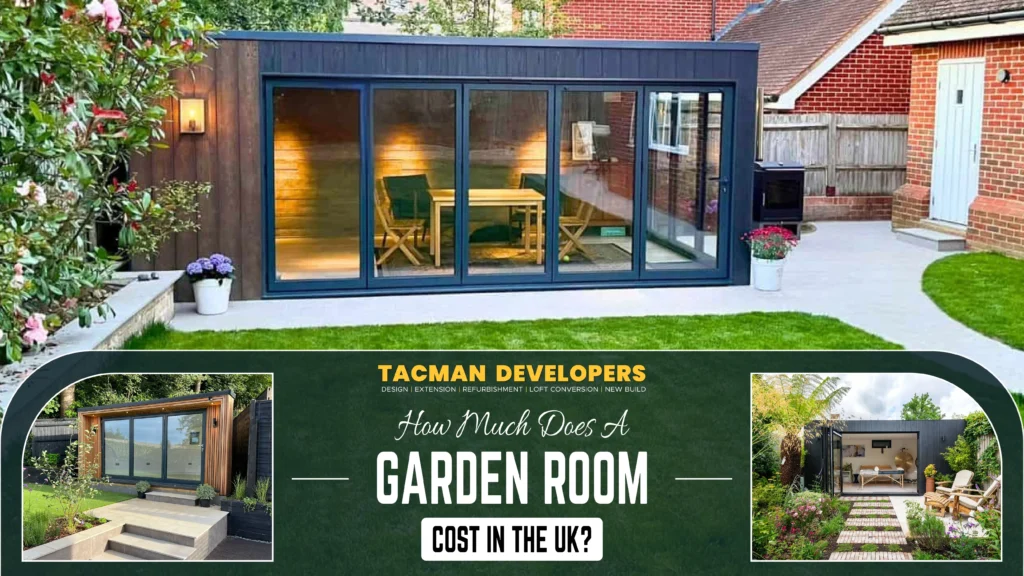
A garden room in the UK typically costs between £15,000 and £50,000+ in 2026, depending on its size, purpose, insulation, foundations, and internal finishes. A basic garden office starts from around £15,000, while fully insulated garden gyms, studios, or garden annexes with plumbing and bathrooms can exceed £60,000. Choosing the right specification ensures year-round comfort and long-term value.
Garden rooms have become one of the fastest-growing home improvement trends across the UK, offering homeowners a practical way to create additional living space without extending the main house. Whether you need a quiet home office, a private gym, a creative studio, or even a self-contained annex for family members, a professionally built garden room provides flexibility while making better use of your outdoor space.
With hybrid working now a permanent reality for many professionals and families, demand for insulated garden buildings continues to grow. Instead of relocating or undertaking a major renovation, homeowners are increasingly investing in high-quality garden rooms that can be used throughout the year. According to industry trends, outdoor living structures remain one of the UK’s fastest-growing renovation categories, driven by changing lifestyles and the need for multi-functional spaces.
At Tacman Developers, we help homeowners design and build bespoke outdoor spaces that complement their properties while meeting modern construction standards. Whether you’re considering a standalone garden room or exploring larger home extension services for additional living space, understanding the costs and design options is the first step towards making the right investment.
How Much Does a Garden Room Cost in the UK in 2026?
The average Garden Room Cost UK 2026 ranges from £15,000 to £50,000+, depending on the size of the building, its intended use, insulation, utilities, and level of finish. Premium garden annexes with bathrooms and kitchens can cost considerably more, while compact garden offices remain one of the most cost-effective options.
The popularity of garden rooms has increased dramatically over the past few years, with homeowners recognising them as a practical alternative to moving house or building a large extension. However, unlike standard sheds or summer houses, modern garden rooms are designed for permanent, year-round use and are built using high-performance materials that comply with current construction standards.
As a result, pricing varies considerably. A small insulated office designed for remote working may require only basic electrical installation and heating, whereas a large garden annexe with plumbing, kitchen facilities, and a bathroom involves significantly more labour, materials, and specialist trades.
Rather than focusing solely on the initial construction cost, it’s important to consider the long-term value. A well-designed garden room not only improves your lifestyle but can also enhance your property’s appeal to future buyers. For homeowners comparing options, it may also be worth exploring the cost of a traditional extension. Tacman Developers’ guide to home extension costs in Windsor & Maidenhead provides useful insights into how extension budgets compare with standalone garden buildings.
Average Garden Room Prices in 2026
The table below provides estimated price ranges for different types of garden rooms commonly built across the UK.
| Garden Room Type | Average Cost (2026) |
| Small Garden Office (10–15m²) | £15,000–£22,000 |
| Medium Garden Office | £22,000–£30,000 |
| Garden Gym | £20,000–£35,000 |
| Garden Studio | £18,000–£32,000 |
| Entertainment Room | £25,000–£40,000 |
| Garden Annexe | £40,000–£70,000+ |
| Luxury Bespoke Garden Room | £60,000–£100,000+ |
What Does the Price Usually Include?
Most professional garden room quotations include the building structure, foundations, insulation, doors and windows, roofing, electrics, plasterboard, and internal finishes. Optional extras such as bathrooms, kitchens, air conditioning, and bespoke joinery increase the overall cost.
Understanding what is included in a quotation is essential when comparing contractors. Some lower-priced quotes may exclude key items, making them appear more competitive than they actually are.
What Affects the Cost of a Garden Room?
The biggest factors influencing the Garden Room Cost UK 2026 are size, intended use, insulation quality, foundations, utilities, internal finishes, and the complexity of the site.
Although online cost calculators can provide rough estimates, every garden room is unique. Several variables determine the final budget, and understanding these can help you make informed decisions.
1. Size of the Garden Room
As with most construction projects, size has the greatest impact on cost. Larger buildings require more materials, additional labour, and stronger foundations.
For example, a compact office designed for one person will cost significantly less than a large family annex with multiple rooms.
| Approximate Size | Typical Cost |
| 10m² | £15,000–£22,000 |
| 15m² | £20,000–£28,000 |
| 20m² | £25,000–£38,000 |
| 30m²+ | £40,000–£70,000+ |
Choosing the right size should balance your current needs with future flexibility, ensuring the building remains practical for years to come.
2. Intended Use
The purpose of your garden room plays a major role in determining the specification and overall cost.
A home office generally requires high-speed electrical connections, excellent insulation, and comfortable heating. A garden gym may need reinforced flooring, increased ventilation, and additional ceiling height for exercise equipment. Meanwhile, a self-contained annexe requires plumbing, drainage, kitchen facilities, and a bathroom, making it the most expensive option.
If your long-term plans involve expanding your property further, you may also wish to compare a garden room with a new build project or larger structural extension to determine which solution offers the greatest flexibility and value.
3. Foundations
The quality of the ground beneath the garden room can significantly influence construction costs. Simple concrete slab foundations are suitable for many sites, but uneven ground, poor soil conditions, or sloping gardens may require specialist groundworks, piling, or reinforced foundations. Although these increase the initial investment, they ensure the structure remains stable and durable over time.
4. Insulation
High-performance insulation is one of the most important investments you can make. Properly insulated walls, floors, and roofs help maintain a comfortable indoor temperature throughout the year while reducing heating costs.
Modern insulated garden rooms are designed for year-round use rather than seasonal occupancy. Investing in superior insulation also improves energy efficiency and aligns with current Building Regulations where applicable.
5. Windows and Doors
Glazing has a major influence on both cost and appearance. Large aluminium sliding doors, bi-fold doors, and floor-to-ceiling windows maximise natural light and create a contemporary look, but they also increase the overall budget. High-quality double or triple glazing improves thermal performance and security, making it a worthwhile investment for year-round comfort.
6. Interior Specification
The finishes you choose can transform a simple garden room into a premium living space.
Popular upgrades include:
- Engineered timber flooring
- Bespoke storage units
- Acoustic wall insulation
- Smart lighting systems
- Underfloor heating
- Air conditioning
- Built-in kitchenettes
- Luxury bathroom fittings
While these additions increase the overall cost, they also enhance functionality, comfort, and long-term value.
At Tacman Developers, we encourage homeowners to think beyond the initial build cost. The most successful garden room projects are those designed with future flexibility in mind. A space that begins as a home office today could easily become a guest suite, gym, hobby room, or teenage retreat in years to come.
Investing in quality insulation, durable materials, and professional construction from the outset helps ensure your garden room continues to add value and adapt to your changing lifestyle. For trusted guidance on planning requirements, homeowners should refer to the official Planning Portal.
Garden Office vs Garden Gym vs Garden Annexe — Cost Comparison
The cost of a garden room depends largely on how you intend to use it. A garden office is typically the most affordable option, while a garden gym requires reinforced flooring and additional ventilation. A garden annexe is the most expensive because it often includes plumbing, heating, insulation, a bathroom, and sometimes a kitchenette, making it suitable for independent living.
One of the biggest advantages of a bespoke garden room is its versatility. Rather than being limited to a single purpose, these modern structures can be tailored to suit changing lifestyles and future family needs. A room that begins as a home office today could become a gym, creative studio, guest bedroom, or even accommodation for elderly relatives in years to come.
Choosing the right type of garden room starts with understanding how you’ll use the space on a daily basis. This not only influences the design but also determines the level of insulation, electrical work, plumbing, and interior finishes required.
Garden Room Cost Comparison (2026)
| Garden Room Type | Typical Cost | Best For |
| Garden Office | £15,000–£30,000 | Remote working |
| Garden Gym | £20,000–£35,000 | Fitness enthusiasts |
| Garden Studio | £18,000–£32,000 | Artists & creatives |
| Entertainment Room | £25,000–£40,000 | Family leisure |
| Garden Annexe | £40,000–£70,000+ | Family accommodation |
| Luxury Multi-Purpose Garden Room | £60,000–£100,000+ | Premium lifestyle |
Although these figures provide a useful benchmark, every project is unique. Factors such as location, access to the site, ground conditions, and the quality of finishes all influence the final investment.
Garden Office Costs
A fully insulated garden office typically costs between £15,000 and £30,000 in the UK during 2026, depending on its size, specification, and level of customisation.
The rise of hybrid and remote working has made garden offices one of the most sought-after home improvements in the UK. Rather than working from the kitchen table or converting a spare bedroom, many homeowners now prefer a dedicated workspace that offers privacy, comfort, and a healthier work-life balance.
A professionally designed garden office usually includes high-performance insulation, double or triple glazing, electrical sockets, LED lighting, heating, and reliable internet connectivity. These features create a productive environment that can be used throughout the year, regardless of the weather.
Garden Gym Costs
A bespoke garden gym generally costs between £20,000 and £35,000, although premium installations with specialist flooring and larger footprints can exceed this range.
For homeowners who regularly exercise, a garden gym offers convenience, privacy, and long-term savings compared with commercial gym memberships. It also provides the flexibility to personalise the space with your preferred equipment and training environment.
Unlike a standard office, a gym requires additional structural considerations. Reinforced flooring may be needed to support heavy weights, while improved ventilation helps maintain air quality during exercise. Some homeowners also choose to install mirrors, acoustic wall treatments, and smart climate control systems to create a professional-quality fitness space.
Garden Annexe Costs
A garden annexe generally costs between £40,000 and £70,000+, depending on its size, plumbing requirements, kitchen facilities, and level of interior specification.
Garden annexes have become increasingly popular as families seek flexible living arrangements. Whether accommodating elderly parents, adult children, visiting relatives, or live-in carers, a self-contained annexe provides privacy while remaining close to the main home.
Unlike a simple garden office, an annexe often includes:
- Bathroom facilities
- Kitchenette or full kitchen
- Hot and cold water supply
- Drainage connections
- Heating system
- Enhanced insulation
- Fire safety measures
These additional services naturally increase construction costs but also create a highly functional living space that can adapt to changing family needs.
Homeowners considering larger accommodation projects may also wish to compare the investment required for a garden annexe with a traditional extension or new-build solution. Tacman Developers’ guide on what to expect when building a new home in Slough provides valuable insight into the planning and construction process for more substantial residential developments.
Garden Room Sizes & Typical Prices
Larger garden rooms naturally cost more because they require additional materials, stronger foundations, and increased labour. However, the cost per square metre often becomes more competitive as the overall size increases.
Choosing the right size is just as important as choosing the right specification. A room that is too small may quickly become impractical, while an oversized building could exceed both your budget and your actual requirements.
How to Reduce Garden Room Costs Without Compromising Quality
You can reduce costs by keeping the design simple, finalising specifications before construction, choosing durable materials, and working with experienced contractors who provide transparent quotations.
Although it’s natural to look for savings, focusing solely on the cheapest quotation often proves more expensive in the long run. Poor-quality materials, inadequate insulation, and inexperienced workmanship can lead to ongoing maintenance costs and reduced energy efficiency.
Some practical ways to control your budget include:
- Finalise the layout before construction begins.
- Avoid unnecessary design changes during the build.
- Invest in high-quality insulation to reduce future heating costs.
- Choose durable, low-maintenance external cladding.
- Compare detailed quotations rather than headline prices.
- Set aside a contingency fund of around 10–15% for unforeseen site conditions.
If you’re comparing a garden room with a more traditional home improvement, Tacman Developers’ article on small home extension ideas to maximise space offers useful alternatives that may better suit certain properties and budgets.
For trusted guidance on planning and residential construction, homeowners should also consult the GOV.UK Building Regulations.
Garden Room vs House Extension — Which Adds More Value?
A garden room is typically quicker and more affordable to build, making it ideal for creating flexible extra space such as a home office or gym. A house extension, while more expensive, usually integrates seamlessly with the existing property and can deliver a greater increase in overall property value. The best choice depends on your budget, available space, and long-term goals.
Many homeowners find themselves choosing between building a garden room or extending their existing home. Both options provide valuable additional space, but they serve different purposes and involve different levels of investment.
A garden room is a detached structure located within your outdoor space. It can often be completed in a matter of weeks, causes minimal disruption to your daily life, and is ideal for uses that benefit from privacy, such as remote working, fitness, hobbies, or entertaining.
A house extension, on the other hand, becomes part of the main property. It is better suited for expanding kitchens, creating larger family living areas, adding bedrooms, or increasing overall internal floor space. Although extensions generally require a higher budget and longer construction period, they can significantly improve the functionality and market appeal of a home.
Common Mistakes to Avoid When Building a Garden Room
The most common mistakes include underestimating the budget, choosing poor-quality insulation, overlooking planning requirements, and selecting contractors based solely on price rather than experience and reputation.
A garden room is a long-term investment, so careful planning is essential. Avoiding common mistakes can save both time and money while ensuring the finished building performs as expected for many years.
Some of the most frequent issues include:
- Choosing the cheapest quotation without comparing specifications.
- Failing to check whether planning permission or Building Regulations apply.
- Underestimating the importance of insulation for year-round use.
- Forgetting to budget for electrical connections, landscaping, or internet installation.
- Designing a room that only meets current needs instead of allowing for future flexibility.
- Ignoring drainage or ground conditions before construction begins.
- Selecting low-maintenance materials without considering long-term durability.
Working with an experienced design-and-build specialist helps minimise these risks and ensures every stage of the project is professionally managed.
Why Choose Tacman Developers?
Building a garden room is about much more than adding another structure to your property—it’s about creating a space that enhances the way you live, work, and relax.
At Tacman Developers, we combine thoughtful design with high-quality craftsmanship to deliver bespoke garden rooms, home extensions, and new-build projects tailored to each client’s needs. From the initial consultation and planning advice to construction and finishing touches, our experienced team manages every stage with professionalism and attention to detail.
Whether you’re planning a compact home office, a luxury garden annexe, or comparing your options with a larger extension, we focus on delivering practical, energy-efficient spaces built to stand the test of time.
Conclusion
A garden room has become one of the smartest home improvement investments for UK homeowners in 2026. Whether you need a productive home office, a private gym, a creative studio, or flexible accommodation for family members, a well-designed garden room provides valuable extra space without the disruption of moving house.
Understanding the Garden Room Cost UK 2026 is the first step towards planning a successful project. While prices vary depending on size, specification, insulation, and intended use, investing in quality construction and experienced professionals will always deliver better long-term results than focusing solely on the lowest quotation.
Before starting your project, take time to consider how the space may evolve in the future. A flexible design, energy-efficient specification, and durable materials can ensure your garden room continues to meet your needs for many years while enhancing the overall appeal of your property.
If your requirements extend beyond a standalone garden room, exploring alternatives such as house extensions, roof extensions, or new-build projects may offer even greater long-term value. Comparing all available options allows you to make an informed decision based on your budget, lifestyle, and future plans.
Ready to Build Your Ideal Garden Room?
If you’re ready to discuss your ideas or compare a garden room with a home extension or new-build solution, contact Tacman Developers today.
Frequently Asked Questions
How much does a garden room cost in the UK in 2026?
Most professionally built garden rooms cost between £15,000 and £50,000+. The final price depends on size, specification, intended use, and whether features such as bathrooms or kitchens are included.
Is a garden room cheaper than a house extension?
Yes, in most cases. Garden rooms generally require less structural work and can often be completed more quickly, making them a cost-effective alternative for creating additional usable space.
Can I live permanently in a garden room?
A standard garden room is usually designed as accommodation incidental to the main dwelling. If you intend to use it as independent living accommodation, additional planning and building requirements may apply.
Do I need planning permission for a garden office?
Many garden offices can be built under Permitted Development Rights, provided they meet the relevant size, height, and location requirements. Always confirm your property’s eligibility before starting work.
How long does it take to build a garden room?
Most projects are completed within 2 to 8 weeks, depending on their size, specification, weather conditions, and site preparation requirements.
Can a garden room be used throughout the year?
Yes. A professionally constructed garden room with high-quality insulation, efficient heating, and double or triple glazing can remain comfortable in every season.
Does a garden room require foundations?
Yes. Every permanent garden room requires suitable foundations to provide structural stability. The exact type depends on the size of the building and ground conditions.
Does adding a bathroom increase the cost?
Yes. Plumbing, drainage, waterproofing, and sanitaryware significantly increase construction costs, but they also improve functionality and long-term flexibility.