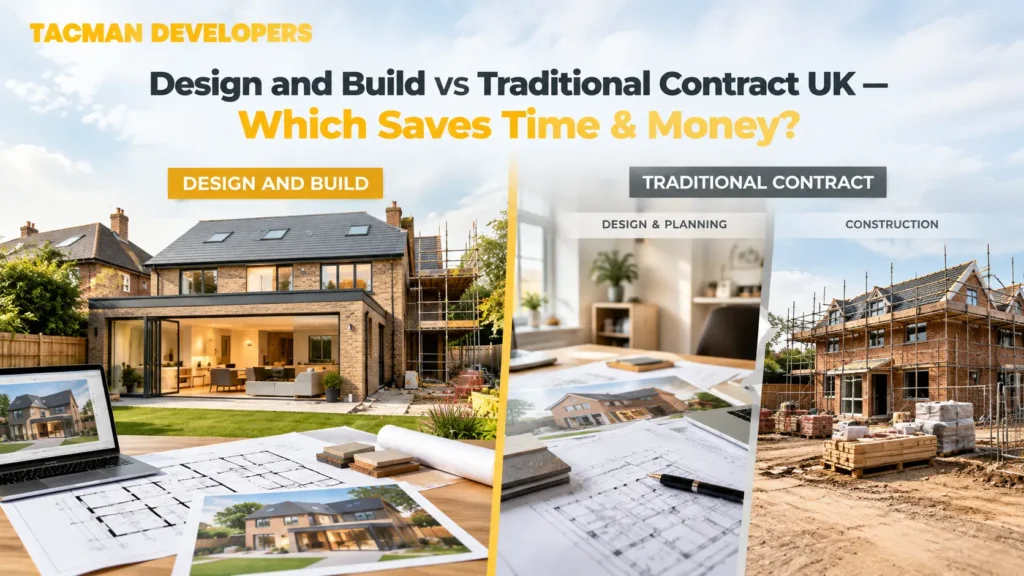
Design and Build vs Traditional Contract UK are two common ways to deliver residential construction projects. A Design & Build contract combines design, planning, and construction under one company, while the traditional route involves hiring an architect first and appointing a builder separately. For many homeowners, Design & Build offers faster delivery, clearer accountability, and improved cost control, although the right choice depends on the project’s complexity and your preferred level of involvement.
Planning a home extension, refurbishment, or new build is an exciting investment, but one of the first decisions you’ll face is how the project should be delivered. The procurement route you choose can significantly affect your budget, construction timeline, communication, and overall experience.
Many UK homeowners assume the only option is to appoint an architect, complete the design, invite builders to tender, and then select a contractor. While this traditional method has been used successfully for decades, an increasing number of homeowners are now choosing the Design & Build approach because it offers a more streamlined and collaborative process.
Understanding the differences between Design and Build vs Traditional Contract UK is essential before committing to either route. Both methods have advantages, but they also come with different levels of responsibility, flexibility, and financial risk.
At Tacman Developers, our Design & Build service brings architects, designers, engineers, and construction professionals together under one roof, helping homeowners benefit from coordinated planning, transparent communication, and efficient project delivery.
How the Design & Build Model Works for Home Projects
A Design & Build contract means one company is responsible for both designing and constructing your project. Instead of hiring separate professionals, homeowners work with a single team that manages planning, design, engineering, budgeting, construction, and project delivery from start to finish.
Rather than coordinating multiple consultants and contractors yourself, you appoint one company to oversee every stage of the project. From the first design meeting to handing over the finished property, the Design & Build contractor remains your single point of contact.
This integrated approach improves communication, reduces delays, and allows construction specialists to collaborate with designers from the earliest stages. As a result, potential buildability issues can often be identified before work begins, reducing costly design changes later in the project.
What Is Included in a Design & Build Service?
Although services vary between companies, a comprehensive Design & Build package typically includes:
- Initial design consultation
- Architectural drawings
- Planning Permission or Permitted Development advice
- Structural engineering coordination
- Building Regulations compliance
- Interior design input
- Detailed project costing
- Construction management
- Quality control
- Final handover
Because all these services are managed by one organisation, information flows more efficiently between designers and construction teams.
For example, if a design adjustment is required during planning, the construction team can immediately assess how that change may affect costs, materials, or the programme before work begins.
Why the Design Phase Matters
Many homeowners understandably focus on construction costs, but experienced professionals know that successful projects begin with careful planning.
A well-developed design should do more than create attractive drawings. It should also consider:
- Buildability
- Budget
- Planning constraints
- Structural feasibility
- Energy efficiency
- Future maintenance
- Lifestyle requirements
- Long-term property value
By involving construction specialists during the design stage, Design & Build companies can often identify practical improvements that reduce unnecessary costs without compromising quality.
If you’re looking for inspiration before beginning your project, Tacman Developers’ article on Top 10 Modern Home Design Trends in the UK explores contemporary ideas that combine aesthetics with functionality.
Why More UK Homeowners Are Choosing Design & Build in 2026
More homeowners are choosing Design & Build because it offers a simpler process, a single point of responsibility, improved collaboration, and often faster project delivery than managing multiple consultants and contractors independently.
The UK residential construction market has changed considerably over the past decade. Homeowners now expect greater transparency, predictable budgets, and smoother project management.
Rather than coordinating architects, engineers, planning consultants, quantity surveyors, and builders separately, many prefer the convenience of appointing one experienced company to deliver the entire project.
Several factors have contributed to the growing popularity of Design & Build.
Better Communication
Construction projects involve many moving parts. When separate companies are responsible for different stages, communication gaps can occur, leading to misunderstandings or delays.
A Design & Build team works collaboratively from the outset, ensuring designers, engineers, and builders are aligned throughout the project.
Earlier Cost Certainty
Because construction specialists contribute during the design phase, homeowners often receive more realistic budgets earlier in the process. This helps avoid situations where completed architectural designs later exceed the available budget.
Reduced Project Risk
When design and construction are managed by different organisations, responsibility can become unclear if problems arise. Under a Design & Build contract, one company remains accountable for coordinating the project, making issue resolution more straightforward.
Improved Programme Management
Many Design & Build companies begin construction planning while final design details are still being refined, allowing certain stages to overlap where appropriate. This integrated approach can help shorten overall project durations without compromising quality.
Which Types of Projects Benefit Most from Design & Build?
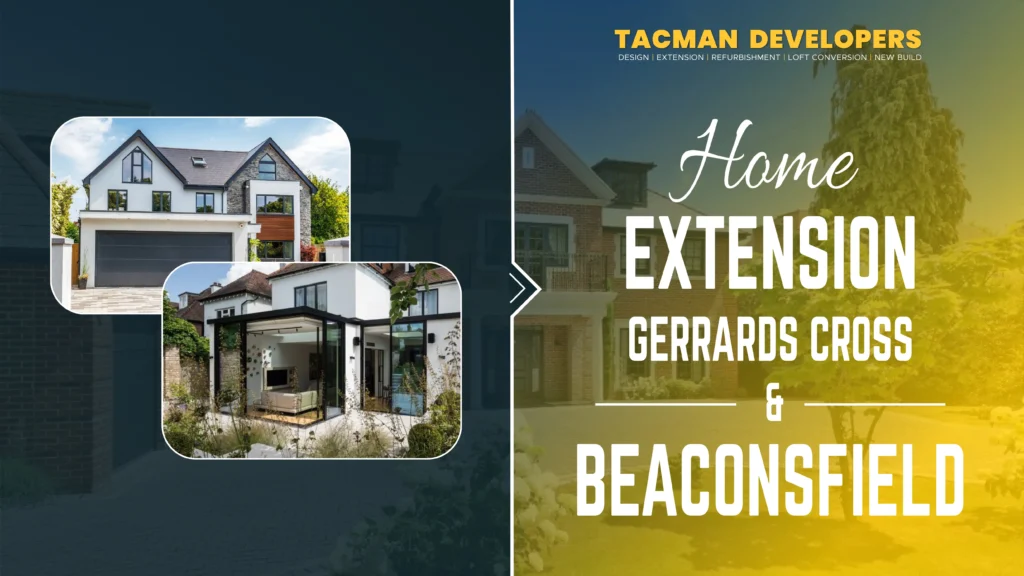
Design & Build is particularly well suited to home extensions, complete refurbishments, bespoke new builds, loft conversions, and major renovation projects where coordination between design and construction is essential.
Although almost any residential project can be delivered using Design & Build, the model is especially effective for larger or more complex developments.
For homeowners planning a bespoke property, Tacman Developers’ guide to bespoke new build homes in the UK explains how combining design and construction expertise can improve efficiency throughout the build.
To ensure projects meet recognised industry standards, homeowners should also refer to authoritative guidance from organisations such as the Royal Institute of British Architects (RIBA) for architectural best practice.
Design Collaboration Creates Better Homes
When architects, designers, engineers, and builders collaborate from the beginning, projects are often easier to construct, more cost-efficient, and better aligned with the homeowner’s budget and expectations.
This collaborative approach allows practical construction knowledge to influence design decisions from day one.
For example, an architect may propose a particular layout, while the construction team identifies opportunities to simplify structural work, improve material efficiency, or reduce construction time without affecting the overall design intent.
If interior aesthetics are an important part of your renovation, Tacman Developers’ article on Interior Design Trends UK 2026 explores contemporary design ideas that can be incorporated during the planning stage rather than added as costly afterthoughts.
Traditional Route: Architect + Tender + Contractor Explained
The traditional procurement route involves hiring an architect to design the project, obtaining planning approval, inviting builders to tender, and then appointing a contractor to carry out the work. While this approach offers greater control over the design process, it often requires more involvement from the homeowner and can take longer than a Design & Build project.
For many years, the traditional contract has been the standard approach for residential construction projects across the UK. Instead of appointing one company to manage everything, homeowners employ different professionals at different stages.
Typically, the process begins by appointing an architect to prepare concept designs, planning drawings, and technical information. Once these documents are complete, the project is issued to several contractors who submit competitive quotations through a tender process. After reviewing the bids, the homeowner selects a builder, who then delivers the construction works.
How the Traditional Procurement Process Works
Traditional procurement follows a step-by-step process where design is completed before construction begins. The builder is usually appointed only after drawings, specifications, and tender documents have been finalised.
A typical traditional contract follows these stages:
| Stage | Description |
| Initial Consultation | Meet with an architect to discuss objectives and budget. |
| Concept Design | Prepare initial layouts and design proposals. |
| Planning Permission | Submit planning application where required. |
| Technical Drawings | Produce detailed construction drawings and specifications. |
| Tender Process | Invite builders to provide quotations. |
| Contractor Appointment | Select the preferred builder. |
| Construction | Building work begins. |
| Completion | Final inspections and handover. |
Because each stage is completed sequentially, the overall programme can be longer than an integrated Design & Build approach. Delays during planning, design revisions, or tender negotiations may also extend the project timeline.
Advantages of the Traditional Route
The traditional approach continues to suit many homeowners, particularly those undertaking bespoke architectural projects.
Greater Design Independence
The architect works directly for the homeowner and develops the design before a builder is appointed. This can provide greater freedom when exploring unique architectural ideas.
Competitive Tendering
Inviting several contractors to quote allows homeowners to compare prices, methodologies, and experience before selecting a builder.
Flexibility in Consultant Selection
Each professional can be appointed independently, giving homeowners greater control over the project team.
Design and Build vs Traditional Contract UK — Side-by-Side Comparison
Both procurement methods can deliver excellent results. Design & Build generally offers faster delivery, simplified communication, and a single point of responsibility, while traditional procurement provides greater design independence and separate contractor selection.
Comparison Table
| Feature | Design & Build | Traditional Contract |
| Single Contract | Yes | No |
| Single Point of Contact | Yes | No |
| Architect Included | Yes | Yes |
| Builder Appointed Early | Yes | After Tender |
| Integrated Design & Construction | Yes | No |
| Earlier Cost Certainty | Higher | Moderate |
| Programme Coordination | Excellent | Depends on Team |
| Homeowner Administration | Low | High |
| Suitable for Complex Homes | Yes | Yes |
This comparison demonstrates why Design & Build has become increasingly popular among homeowners seeking a simpler and more coordinated construction experience.
Cost Comparison — Where Design & Build Saves (and Where It Doesn’t)
Design & Build can reduce overall project costs by improving coordination, identifying buildability issues early, and reducing design revisions. However, the cheapest initial quotation isn’t always the best value, and some highly bespoke projects may benefit from the traditional procurement route.
When comparing procurement methods, many homeowners focus solely on the construction quotation. In reality, the overall cost of a project is influenced by much more than the builder’s price.
Professional fees, design revisions, project delays, material changes, contractor coordination, and programme management all contribute to the final cost.
Timeline Comparison — Is Design & Build Really Faster?
In many residential projects, a Design & Build approach can reduce overall project duration because design, planning, procurement, and construction are better coordinated. While every project is different, integrated project delivery often eliminates delays that occur between separate design and construction stages.
Time is valuable for every homeowner. Whether you’re extending your family home or building a bespoke property, shorter construction programmes often mean:
- Less disruption.
- Earlier completion.
- Reduced temporary accommodation costs.
- Faster return on investment.
- Earlier occupation of the completed property.
Because Design & Build integrates multiple stages of the project, certain activities can progress simultaneously rather than waiting for one phase to finish completely before the next begins.
For example, construction planning, procurement, and material scheduling may begin while technical design details are still being finalised, allowing the project to progress more efficiently.
Why Design & Build Often Delivers Projects More Efficiently
Several factors contribute to improved programme efficiency.
Earlier Builder Involvement
Because construction professionals contribute during the design stage, practical buildability issues are often resolved before work starts on site.
Fewer Design Revisions
Designers and builders work together throughout the planning process, reducing the likelihood of significant redesign after tender.
Better Procurement Planning
Materials, specialist subcontractors, and long-lead items can often be scheduled earlier, helping minimise delays later in the project.
Improved Project Coordination
A dedicated project management team oversees every phase, ensuring information flows efficiently between departments.
Which Procurement Route Is Best for Your Project?
Both Design & Build and Traditional Contracts have advantages. The best choice depends on your project’s complexity, your preferred level of involvement, and whether you value design independence or integrated project delivery.
Instead, homeowners should consider which approach aligns best with their objectives.
Design & Build Is Often Best For
- Home extensions.
- Full property refurbishments.
- Loft conversions.
- Bespoke new build homes.
- Projects with fixed budgets.
- Homeowners wanting one point of responsibility.
- Busy professionals and families with limited time.
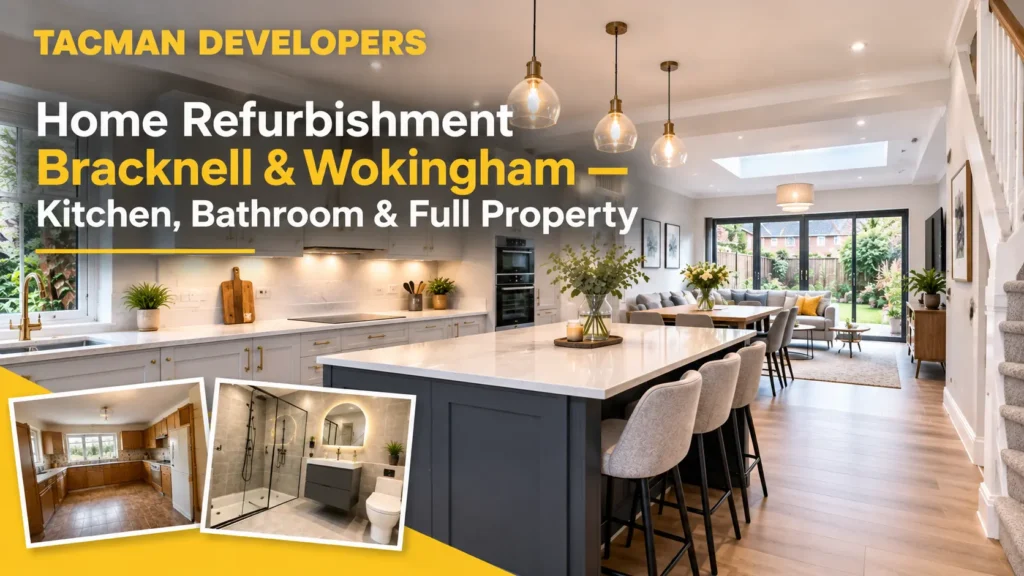
If you’re planning a complete renovation, Tacman Developers’ home refurbishment services demonstrate how integrated planning and construction can simplify even complex residential projects.
Common Mistakes Homeowners Make When Choosing a Contract
Many homeowners focus only on the initial quotation instead of considering communication, project management, risk allocation, and long-term value. Choosing the right procurement method requires evaluating the entire project—not just the construction price.
Choosing Based Only on Price
The cheapest quotation isn’t always the most cost-effective solution. Lower prices may exclude important services or result in additional costs later if project coordination is poor.
Underestimating Project Management
Managing architects, engineers, planning consultants, contractors, and suppliers requires considerable time. Many homeowners underestimate the amount of coordination involved in traditional procurement.
Comparing Quotes That Aren’t Equivalent
Not every quotation includes the same specification. Before comparing contractors, ensure each proposal covers identical drawings, materials, finishes, and project scope.
Ignoring Long-Term Value
A procurement method that delivers greater budget certainty, improved communication, and fewer delays may ultimately provide better value than simply selecting the lowest initial quotation.
Why Many Homeowners Choose Design & Build
For homeowners planning significant investments in their property, certainty is often just as important as cost.
Choosing one experienced company to manage design, planning, budgeting, and construction helps reduce complexity while improving collaboration throughout the project.
At Tacman Developers, our architects, designers, engineers, and construction specialists work as one integrated team, allowing us to develop practical designs that balance aesthetics, functionality, and buildability from the earliest stages.
Whether you’re planning a contemporary extension, a complete refurbishment, or a bespoke family home, our collaborative approach is designed to deliver projects efficiently while maintaining exceptional quality standards.
Why Homeowners Choose Tacman Developers
Homeowners across the UK choose Tacman Developers because we combine professional design expertise with high-quality construction services.
When you work with us, you benefit from:
- A single point of contact from start to finish.
- Experienced architects, designers, and construction professionals.
- Transparent quotations with clear project scopes.
- Efficient project management.
- High-quality workmanship.
- Compliance with UK Building Regulations.
- Open communication throughout the project.
Conclusion
Choosing between Design and Build vs Traditional Contract UK ultimately comes down to your priorities, project complexity, and the level of involvement you want throughout the construction process. Both procurement routes can deliver excellent results, but they offer very different experiences for homeowners.
If you value design independence and prefer appointing architects and contractors separately, the traditional route may suit your project. However, if your goal is to simplify communication, improve cost certainty, reduce delays, and work with one accountable team, a Design & Build approach is often the more efficient solution.
At Tacman Developers, we combine creative design with practical construction expertise to deliver high-quality homes tailored to our clients’ needs. From the first consultation to the final handover, our experienced in-house team is committed to transparent communication, exceptional workmanship, and projects that stand the test of time.
Ready to Start Your Project?
Contact Tacman Developers today to discuss your project and arrange a consultation.
Frequently Asked Questions
What is the difference between Design & Build and a Traditional Contract?
A Design & Build contract uses one company for both design and construction, while a traditional contract separates the architect and builder. Design & Build offers one point of responsibility throughout the project.
Is Design & Build cheaper than the traditional route?
Not always, but it can reduce overall project costs by improving coordination, reducing delays, and minimising costly design changes during construction.
Is Design & Build faster?
In many cases, yes. Because design and construction teams work together, projects are often delivered more efficiently than traditional procurement routes.
Which procurement method is best for home extensions?
Design & Build is often ideal for home extensions because it combines planning, design, and construction under one experienced team, making the process simpler for homeowners.
Can I still customise my home’s design?
Absolutely. Design & Build doesn’t limit creativity. You’ll work closely with architects and designers to create a home that reflects your style and practical requirements.
Does Design & Build include planning permission?
Yes, many Design & Build companies coordinate planning applications and Building Regulations approval where required, making the process more straightforward.