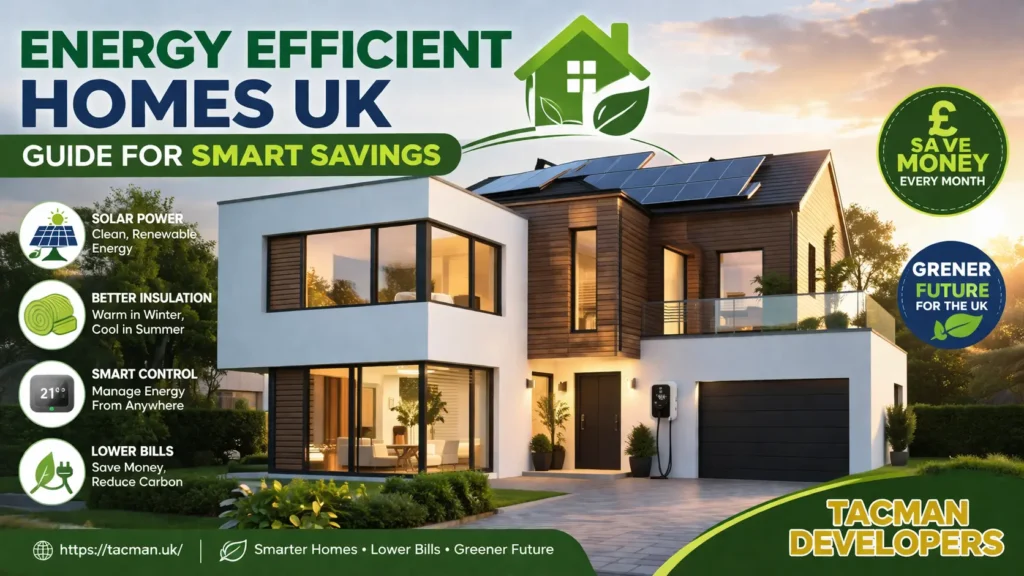
To create energy-efficient homes in the UK during renovation, prioritise insulation, high-performance windows, efficient heating systems, smart controls, and renewable energy solutions. These upgrades reduce energy use, lower bills, and ensure compliance with modern UK building regulations.
Renovating a property is no longer just about improving aesthetics, it’s about future-proofing your home. Across the UK, homeowners, investors, and developers are increasingly focusing on creating energy-efficient homes that are not only comfortable but also cost-effective and environmentally responsible.
With energy prices fluctuating and regulations tightening, inefficient homes can quickly become expensive liabilities. Many older UK properties, especially those built before the 1990s, were not designed with modern energy performance standards in mind. As a result, they often suffer from heat loss, poor ventilation, and outdated heating systems.
Renovation presents a rare opportunity to address all of these issues in one coordinated effort. Instead of applying temporary fixes, you can redesign your home to meet modern efficiency standards from the ground up. By working with professionals offering home design services, you can ensure that every aspect of your renovation, from layout to materials, is aligned with long-term energy performance goals.
Why Energy Efficiency Matters in UK Homes
Energy efficiency reduces bills, improves comfort, lowers emissions, and increases property value, making it essential for UK homeowners.
Energy efficiency has become a central concern in the UK housing market, driven by both economic and environmental factors. Rising energy bills have made homeowners more conscious of how much energy their properties consume, while government policies are increasingly focused on reducing carbon emissions.
From a practical standpoint, an energy-efficient home maintains a more consistent indoor temperature. This reduces the need for constant heating in winter and cooling in summer, creating a more comfortable living environment. It also places less strain on heating systems, extending their lifespan and reducing maintenance costs.
From an investment perspective, energy performance is now a key factor in property valuation. Homes with higher Energy Performance Certificate (EPC) ratings are more attractive to buyers and tenants. According to guidance from Energy Saving Trust, improving energy efficiency can significantly reduce household energy bills while increasing property appeal.
Government Grants & Incentives for Energy Efficient Homes in the UK
UK homeowners can access government grants and schemes to improve energy efficiency, including insulation, heat pumps, and renewable energy support.
Improving energy efficiency doesn’t always have to be expensive. The UK government offers several schemes and incentives designed to help homeowners reduce the cost of upgrades. These programmes are especially beneficial for families, landlords, and property investors looking to improve EPC ratings without bearing the full financial burden.
One of the most notable initiatives includes support for heat pump installations and insulation improvements. These schemes are aimed at reducing carbon emissions while making homes more affordable to run. Eligibility often depends on factors such as property type, income level, and current energy performance.
Homeowners can explore current schemes through the UK Government Energy Grants, which provide up-to-date information on available funding and eligibility criteria. Taking advantage of these incentives during renovation can significantly improve return on investment.
Key Areas to Focus on During Renovation
Focus on insulation, windows, heating systems, ventilation, and renewable energy to maximise energy efficiency during renovation.
Renovating your home gives you the perfect opportunity to address multiple energy-related issues at once. Instead of making small upgrades over time, you can take a holistic approach that improves overall performance.
Core Energy Efficiency Areas
| Area | Impact | Priority |
| Insulation | Reduces heat loss | Very High |
| Windows & Doors | Prevent drafts | High |
| Heating System | Controls energy use | Very High |
| Ventilation | Improves air quality | Medium |
| Renewable Energy | Reduces bills | High |
Each of these elements plays a critical role in reducing energy consumption. When combined effectively, they create a home that is both efficient and comfortable.
Understanding EPC Ratings and UK Standards
EPC ratings measure a property’s energy efficiency from A (best) to G (worst) and are essential for selling or renting homes in the UK.
Energy Performance Certificates (EPCs) are a critical part of the UK’s approach to energy efficiency. These ratings provide a clear indication of how efficient a property is and what improvements can be made. During renovation, improving your EPC rating should be a key objective.
A higher EPC rating not only reduces running costs but also ensures compliance with future regulations. The UK government has already introduced minimum EPC requirements for rental properties, and further changes are expected in the coming years.
For detailed guidance, homeowners can explore resources provided by the UK Government Energy Performance of Buildings Register, which explains how EPC ratings are calculated and how they impact property value.
How to Plan an Energy-Efficient Renovation (Step-by-Step)
Plan an energy-efficient renovation by assessing your current home, setting goals, prioritising upgrades, and working with experts.
Planning is the foundation of a successful energy-efficient renovation. Without a clear strategy, homeowners often end up making isolated improvements that fail to deliver meaningful results. A structured approach ensures that every upgrade contributes to overall performance.
Step-by-Step Process:
- Assess your current energy performance (EPC rating)
- Identify major heat loss areas
- Set efficiency goals (cost savings, sustainability, comfort)
- Prioritise upgrades (insulation → heating → renewables)
- Work with professionals for design and execution
Working with experts in home design and planning services ensures that your renovation is approached holistically, avoiding costly mistakes and ensuring long-term efficiency gains.
Insulation: The Core of an Energy-Efficient Home
Insulation minimises heat loss and is the most effective way to improve energy efficiency during renovation.
Insulation is widely regarded as the single most important factor in improving energy efficiency. Without it, even the most advanced heating systems will struggle to maintain comfortable temperatures.
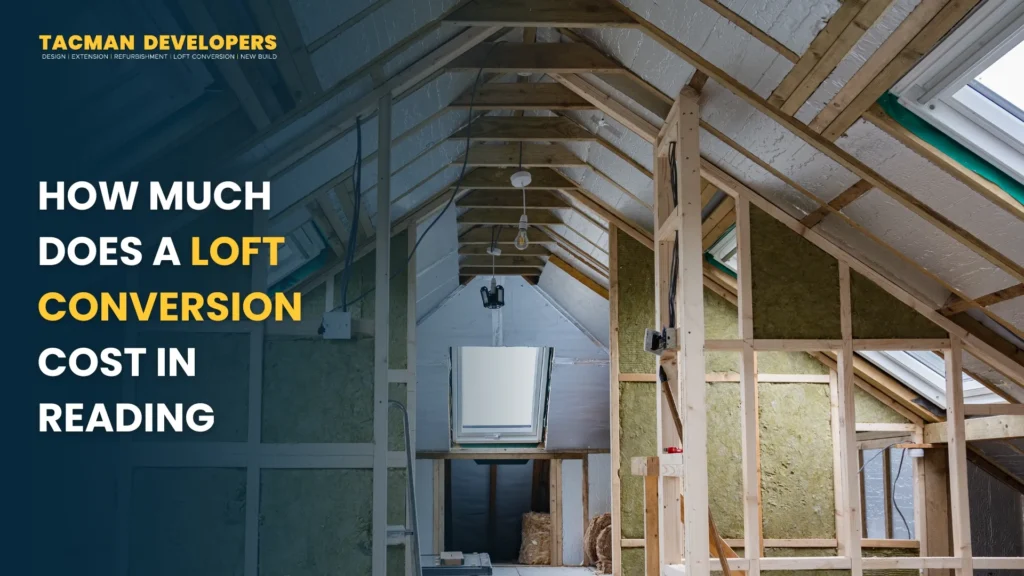
During renovation, it’s essential to upgrade insulation across all key areas, including roofs, walls, and floors. Loft insulation is particularly impactful, as heat rises and escapes through the roof. Wall insulation, whether cavity or solid, can dramatically reduce heat loss, while floor insulation helps stabilise indoor temperatures.
Modern insulation materials are far more effective than older alternatives, offering better thermal performance with less thickness. Integrating these materials into structural upgrades, such as a loft conversion, ensures that your home meets current standards while improving comfort and efficiency.
High-Performance Windows and Doors
Energy-efficient glazing reduces heat transfer, improves insulation, and enhances overall home performance.
Windows and doors play a crucial role in energy efficiency, as they are common points of heat loss. Upgrading to double or triple glazing significantly improves thermal performance by reducing heat transfer.
Modern glazing technologies use advanced coatings and gas-filled panels to improve insulation while maintaining clarity and light transmission. This allows homeowners to enjoy bright, open spaces without sacrificing efficiency.
In addition to thermal benefits, high-performance windows also improve sound insulation and security, making them a valuable upgrade during renovation.
Heating Systems, Heat Pumps, and Smart Controls
Modern heating systems and smart controls reduce energy consumption and improve efficiency.
Heating is one of the largest contributors to energy use in UK homes. Upgrading to efficient systems such as condensing boilers or air source heat pumps can significantly reduce energy consumption.
Heat pumps are particularly effective, as they extract heat from the air or ground and use it to warm your home. While installation costs can be higher, they offer long-term savings and environmental benefits.
Smart thermostats further enhance efficiency by allowing homeowners to control heating remotely and optimise usage patterns. Integrating these technologies with insights from a smart home features guide ensures a fully connected and efficient home.
Smart Home Integration for Energy Efficiency
Smart home systems optimize energy usage by automating heating, lighting, and appliances based on real-time needs.
Smart home technology is rapidly becoming a key component of energy-efficient homes in the UK. These systems allow homeowners to monitor and control energy usage in real time, ensuring that no energy is wasted unnecessarily.
For example, smart thermostats can adjust heating based on occupancy, while automated lighting systems ensure lights are only used when needed. Over time, these small optimisations can lead to significant energy savings.
Renewable Energy and Future-Proofing Your Home
Renewable energy systems reduce reliance on traditional energy sources and prepare homes for future energy standards.
Renewable energy is becoming an essential component of energy-efficient homes. Solar panels, in particular, have gained popularity due to falling installation costs and improved efficiency.
By generating your own electricity, you can reduce reliance on the grid and lower your energy bills. In some cases, excess energy can even be sold back to the grid, providing an additional income stream.
The International Energy Agency highlights that renewable energy adoption is a key factor in reducing global energy demand and emissions, making it a forward-thinking investment for homeowners.
Ventilation, Airtightness, and Indoor Air Quality
Balanced ventilation ensures fresh air circulation while maintaining energy efficiency.
As homes become more airtight, proper ventilation becomes increasingly important. Without it, moisture and pollutants can accumulate, leading to health issues and structural damage.
Modern systems such as mechanical ventilation with heat recovery (MVHR) provide a solution by maintaining airflow while retaining heat. This ensures a healthy indoor environment without compromising efficiency.
Energy Efficiency for Different Property Types in the UK
Energy efficiency strategies vary depending on property type, including flats, terraced homes, and detached houses.
Not all UK homes are the same, and energy efficiency strategies must be tailored accordingly. A Victorian terrace in London will have very different requirements compared to a modern detached home.
Property-Specific Considerations:
- Flats: Focus on internal insulation and ventilation
- Terraced Homes: Address shared walls and heat retention
- Detached Homes: Optimise insulation across all external surfaces
Understanding your property type ensures that your renovation strategy is both effective and cost-efficient.
Energy Efficiency in Extensions and Refurbishments
Extensions and refurbishments should integrate energy-efficient design and materials to improve overall performance.
Renovation projects such as extensions and refurbishments provide the perfect opportunity to improve energy efficiency. By incorporating insulation, efficient materials, and modern systems into the design, you can create a home that is both functional and sustainable.
Working with professionals in home extension projects ensures that your renovation meets modern standards while delivering long-term value.
A homeowner in London renovated a Victorian terrace by upgrading insulation, installing double glazing, and integrating a heat pump system. Within a year, energy bills dropped by nearly 40%, while the property’s EPC rating improved significantly. This demonstrates how a well-planned renovation can deliver measurable results.
Best Materials for Energy Efficient Renovations
Using high-performance materials improves insulation, durability, and overall energy efficiency.
The materials you choose during renovation have a direct impact on your home’s energy performance. Modern construction materials are designed to provide better insulation, reduce thermal bridging, and improve overall efficiency.
For example, insulated plasterboards, high-performance glazing, and sustainable building materials can significantly enhance thermal performance. Choosing the right materials also ensures durability and reduces maintenance costs over time.
Professionals involved in property refurbishment projects often recommend materials that meet both energy standards and long-term structural requirements, ensuring your home performs efficiently for years to come.
Energy Efficiency Checklist for Home Renovation
A checklist helps ensure all key energy efficiency upgrades are included during renovation.
Before starting your renovation, it’s helpful to follow a checklist to ensure nothing is overlooked. This ensures that all key elements are addressed systematically.
Checklist:
- Upgrade insulation (roof, walls, floors)
- Install energy-efficient windows
- Upgrade heating system
- Add smart controls
- Consider renewable energy
- Ensure proper ventilation
Using a checklist simplifies the process and ensures your renovation meets modern efficiency standards.
Common Mistakes to Avoid
Avoid poor planning, low-quality materials, and ignoring ventilation or insulation.
One of the biggest mistakes homeowners make is treating energy efficiency as an afterthought. Without proper planning, even expensive upgrades can fail to deliver expected results.
Another issue is choosing cheaper materials that do not meet modern standards. While this may reduce initial costs, it often leads to higher long-term expenses. Consulting professionals early in the process ensures that your renovation is both effective and compliant.
Conclusion
Creating energy-efficient homes in the UK during renovation is one of the most impactful decisions you can make as a homeowner or investor. It not only reduces energy bills but also enhances comfort, sustainability, and long-term property value.
By focusing on insulation, heating systems, smart technologies, and renewable energy, you can transform your home into a high-performing, future-ready space. With expert guidance and strategic planning, energy efficiency becomes more than just an upgrade; it becomes a long-term advantage.
Ready to transform your home into an energy-efficient space? Tacman Developers can help you design, plan, and build a modern, efficient home tailored to UK standards.
Start your renovation journey today with expert-led solutions.
FAQs
What is the fastest way to improve energy efficiency?
Improving insulation is the quickest and most effective step. It reduces heat loss immediately and improves comfort.
Are heat pumps suitable for all UK homes?
Most homes can use heat pumps, but suitability depends on insulation and property design. Proper assessment is required.
Do energy-efficient upgrades increase property value?
Yes, higher EPC ratings make properties more attractive to buyers. This often leads to better resale value.
Is renewable energy worth the investment?
Yes, it reduces long-term energy costs and supports sustainability. Over time, savings can offset installation costs.
Can I make my home net-zero energy?
Yes, with a combination of insulation, renewables, and smart systems. However, it requires careful planning and investment.